


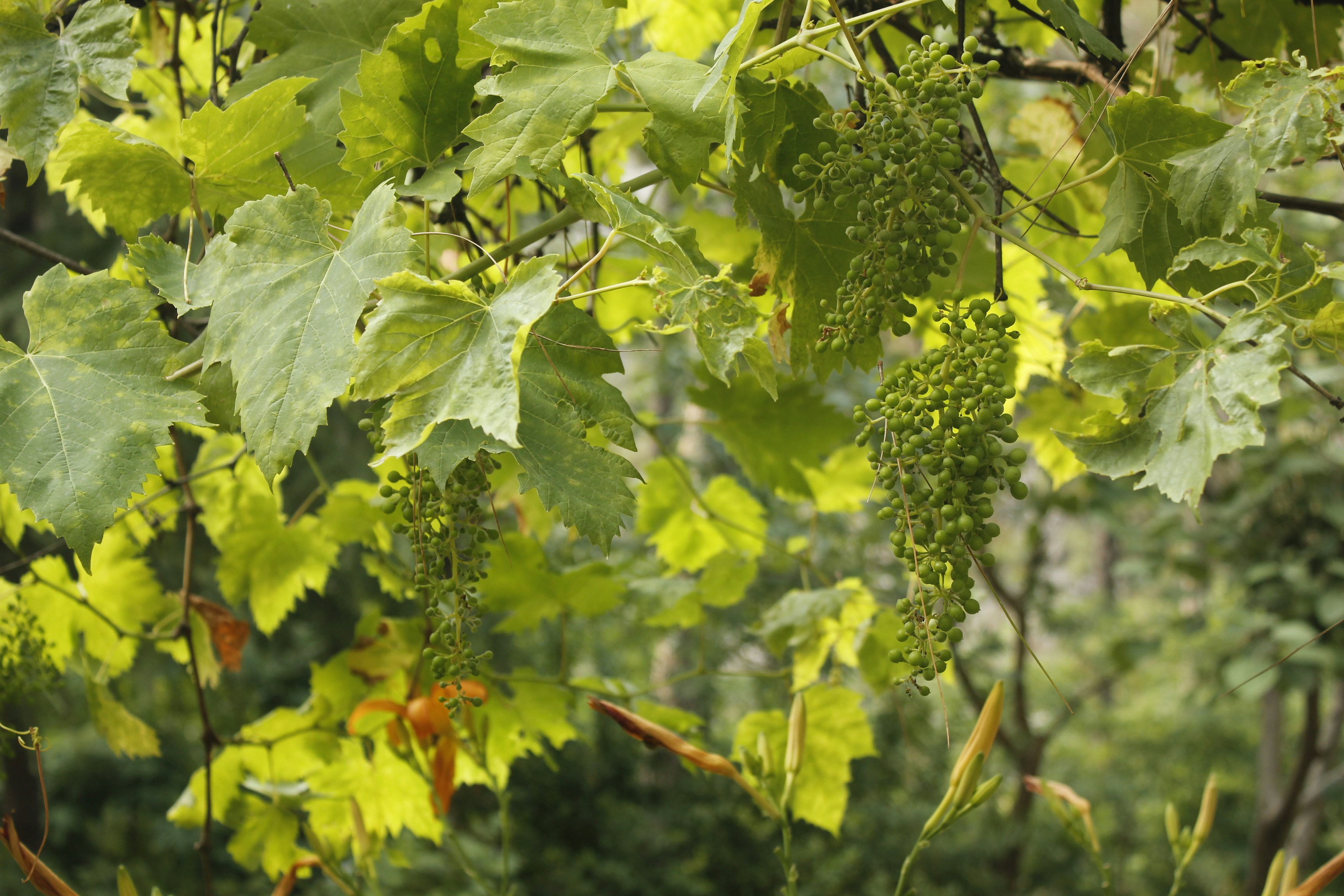

The Great Himalayan National Park, located in the state of Himachal Pradesh in India, is a breathtaking destination that offers a unique and unforgettable experience for nature lovers and adventure enthusiasts. Spread over an area of 1,171 square kilometers, this national park is a haven for wildlife, flora, and fauna, making it a must-visit destination for anyone seeking to explore the beauty of the Himalayas.
Wildlife
The Great Himalayan National Park is home to a diverse range of wildlife species, making it a paradise for wildlife enthusiasts. The park is home to several endangered species, including the snow leopard, the Himalayan brown bear, and the musk deer. It is also a haven for birdwatchers, with over 375 species of birds recorded in the park. From the majestic golden eagles to the colorful Himalayan monal, the park offers a unique opportunity to witness these magnificent creatures in their natural habitat.
Flora and Fauna
With its rich biodiversity, the Great Himalayan National Park is a treasure trove of plant and animal species. The park is home to over 31 species of mammals, including the Himalayan tahr, the bharal, and the Himalayan black bear. It is also home to over 181 species of birds, 3 species of reptiles, and 9 species of amphibians. The park’s diverse range of flora includes over 375 species of plants, including several medicinal plants and rare orchids.
Trekking and Adventure
For adventure enthusiasts, the Great Himalayan National Park offers a plethora of trekking and adventure opportunities. The park is crisscrossed by numerous trekking trails, ranging from easy to challenging, allowing visitors to explore its stunning landscapes and breathtaking views. The Tirthan Valley, located within the park, is a popular base for trekking expeditions and offers a range of activities such as camping, fishing, and river rafting.
Conservation and Sustainable Tourism
The Great Himalayan National Park is not only a pristine wilderness but also a model for conservation and sustainable tourism. The park has been recognized as a UNESCO World Heritage Site for its unique biodiversity and conservation efforts. The local communities living around the park have been actively involved in its conservation, and sustainable tourism practices have been implemented to ensure the park’s long-term preservation.
In conclusion, the Great Himalayan National Park is a true alpine wonderland that offers a unique and unforgettable experience for nature lovers and adventure enthusiasts. With its diverse wildlife, rich biodiversity, trekking opportunities, and commitment to conservation, it is a destination that should not be missed by anyone seeking to explore the beauty of the Himalayas.
Exploring the wilderness of the Great Himalayan National Park is an adventure like no other. As you embark on a trek through the park, you will be surrounded by an abundance of natural beauty at every turn. The dense forests of oak and conifer trees provide a lush green backdrop, while the alpine meadows offer a colorful display of wildflowers. The snow-capped peaks stand tall in the distance, inviting you to conquer their heights.
As you make your way along the trekking routes, you will have the opportunity to encounter the park’s diverse wildlife. Keep your eyes peeled for the elusive snow leopard, a rare and majestic creature that calls this park home. The park is also home to several other endangered species, such as the Himalayan musk deer and the western tragopan, a beautiful bird with vibrant plumage.
Each trekking route offers its own unique experience. For those seeking a challenge, the higher altitude treks will test your endurance and reward you with breathtaking views from the mountain passes. If you prefer a more leisurely pace, the lower altitude treks will take you through enchanting valleys and picturesque villages, allowing you to immerse yourself in the local culture.
After a day of trekking, you can unwind at one of the camping sites within the park. Set up your tent under the starry sky and let the sounds of nature lull you to sleep. Wake up to the crisp mountain air and the aroma of freshly brewed tea. Spend your days exploring the surrounding areas on day hikes or simply relax and soak in the peaceful atmosphere.
Whether you choose to embark on a challenging trek or opt for a more relaxed camping experience, exploring the wilderness of the Great Himalayan National Park is an adventure that will leave you with memories to last a lifetime. So pack your bags, lace up your hiking boots, and get ready to embark on a journey through one of the most beautiful and untouched landscapes in the world.
Wildlife and Bird Watching
The Great Himalayan National Park is home to a wide variety of wildlife, including several rare and endangered species. Some of the animals you may encounter during your visit include the Himalayan black bear, snow leopard, musk deer, and the elusive Himalayan blue sheep. The park is also a paradise for bird watchers, with over 375 species of birds recorded, including the colorful monal pheasant and the western tragopan.
To make the most of your wildlife and bird watching experience, it is recommended to hire a local guide who is familiar with the park and its inhabitants. They can help you spot and identify different species, as well as provide valuable insights into their behavior and habitat.
Exploring the park with a knowledgeable guide adds an extra layer of excitement and educational value to your visit. These guides have spent years studying the local flora and fauna, honing their skills in identifying different species and understanding their ecological significance. They possess an intimate knowledge of the park’s trails, making them adept at finding the best vantage points for wildlife observation.
During your guided tour, your experienced guide will share interesting facts and anecdotes about the animals and birds you encounter. They will point out the subtle differences between species and explain their unique adaptations to the harsh mountain environment. You will learn about the interconnectedness of the park’s ecosystems and the delicate balance that must be maintained for the survival of these magnificent creatures.
Not only will a local guide enhance your wildlife and bird watching experience, but they also play a crucial role in conservation efforts. By hiring a guide, you are supporting the local community and contributing to the sustainable management of the park. These guides are often from nearby villages and have a deep connection to the land and its inhabitants. They understand the importance of preserving the park’s biodiversity and work tirelessly to raise awareness among visitors about the need for conservation.
Whether you are an avid bird watcher or simply have a curiosity for the natural world, the Great Himalayan National Park offers a truly immersive experience. With the guidance of a knowledgeable local, you will have the opportunity to witness the beauty and wonder of these rare and endangered species up close, while also gaining a deeper appreciation for the delicate ecosystems they call home.
Conservation and Sustainability
The Great Himalayan National Park is not only a place of natural beauty and biodiversity but also a symbol of conservation and sustainability. The park was established in 1984 with the aim of protecting the fragile ecosystem of the Western Himalayas and preserving its unique flora and fauna.
Over the years, the park has implemented various conservation measures, including strict regulations on hunting and poaching, as well as initiatives to promote sustainable tourism. These efforts have been crucial in maintaining the delicate balance of the ecosystem and ensuring the survival of endangered species.
One of the key conservation initiatives in the park is the establishment of a network of protected areas and buffer zones. These zones act as a buffer between human activities and the core areas of the park, providing a safe haven for wildlife and minimizing human-wildlife conflicts. The park authorities have also worked closely with local communities to develop sustainable livelihood options that are compatible with the park’s conservation goals.
The local communities living in and around the park have played a vital role in the success of the conservation efforts. They have been actively involved in patrolling and monitoring activities, helping to curb illegal activities such as poaching and logging. The park authorities have also provided training and capacity-building programs to empower the local communities to take ownership of the conservation efforts.
Another important aspect of conservation in the park is the promotion of sustainable tourism. The park authorities have worked closely with tour operators and local communities to develop responsible tourism practices that minimize the impact on the environment and local culture. Visitors to the park are encouraged to follow guidelines such as not littering, staying on designated trails, and respecting the wildlife and local communities.
By promoting sustainable tourism, the park not only generates revenue for conservation efforts but also raises awareness among visitors about the importance of preserving natural resources. The park authorities have also initiated educational programs to educate visitors about the park’s biodiversity and the need for conservation.
In conclusion, the Great Himalayan National Park stands as a shining example of successful conservation and sustainability efforts. Through a combination of strict regulations, community involvement, and responsible tourism practices, the park has been able to protect its fragile ecosystem and preserve its unique biodiversity. However, the work is far from over, and continued efforts are needed to ensure the long-term survival of this alpine wonderland for future generations to enjoy.
Getting There
The Great Himalayan National Park is located in the Kullu district of Himachal Pradesh, approximately 60 kilometers from the town of Kullu. The park is nestled amidst the majestic Himalayas, offering breathtaking views and a unique opportunity to explore the rich biodiversity of the region.
To reach the park, you have several options depending on your preference and convenience. If you are traveling by air, the nearest airport is Bhuntar Airport, which is well-connected to major cities in India. From the airport, you can hire a taxi or take a bus to reach the park. The journey from the airport to the park is a scenic one, with winding roads that pass through picturesque villages and lush green valleys.
If you prefer to travel by train, the nearest railway station is Joginder Nagar, which is approximately 180 kilometers from the park. The train journey to Joginder Nagar is an experience in itself, as the narrow gauge railway line passes through tunnels, over bridges, and offers panoramic views of the surrounding mountains. From the railway station, you can hire a taxi or take a bus to reach the park.
For those who enjoy road trips, the park is well-connected by road and can be reached by car or bus. The roads leading to the park are well-maintained and offer stunning views of the mountains and valleys. The journey to the park is an adventure in itself, as you pass through quaint villages, cross rivers, and drive through dense forests.
It is important to note that the park is open from April to November, and the best time to visit is during the summer months of May and June when the weather is pleasant and the flora is in full bloom. During this time, the park is teeming with life, with colorful flowers, chirping birds, and sightings of various wildlife species.
Whether you choose to travel by air, train, or road, the journey to the Great Himalayan National Park is an experience that will stay with you for a lifetime. So pack your bags, put on your hiking boots, and get ready to embark on an unforgettable adventure in the lap of nature.
Enter your email to get the Latest Updated Exploring News and Topics
Discover more from atozexplore.com
Subscribe to get the latest posts sent to your email.