


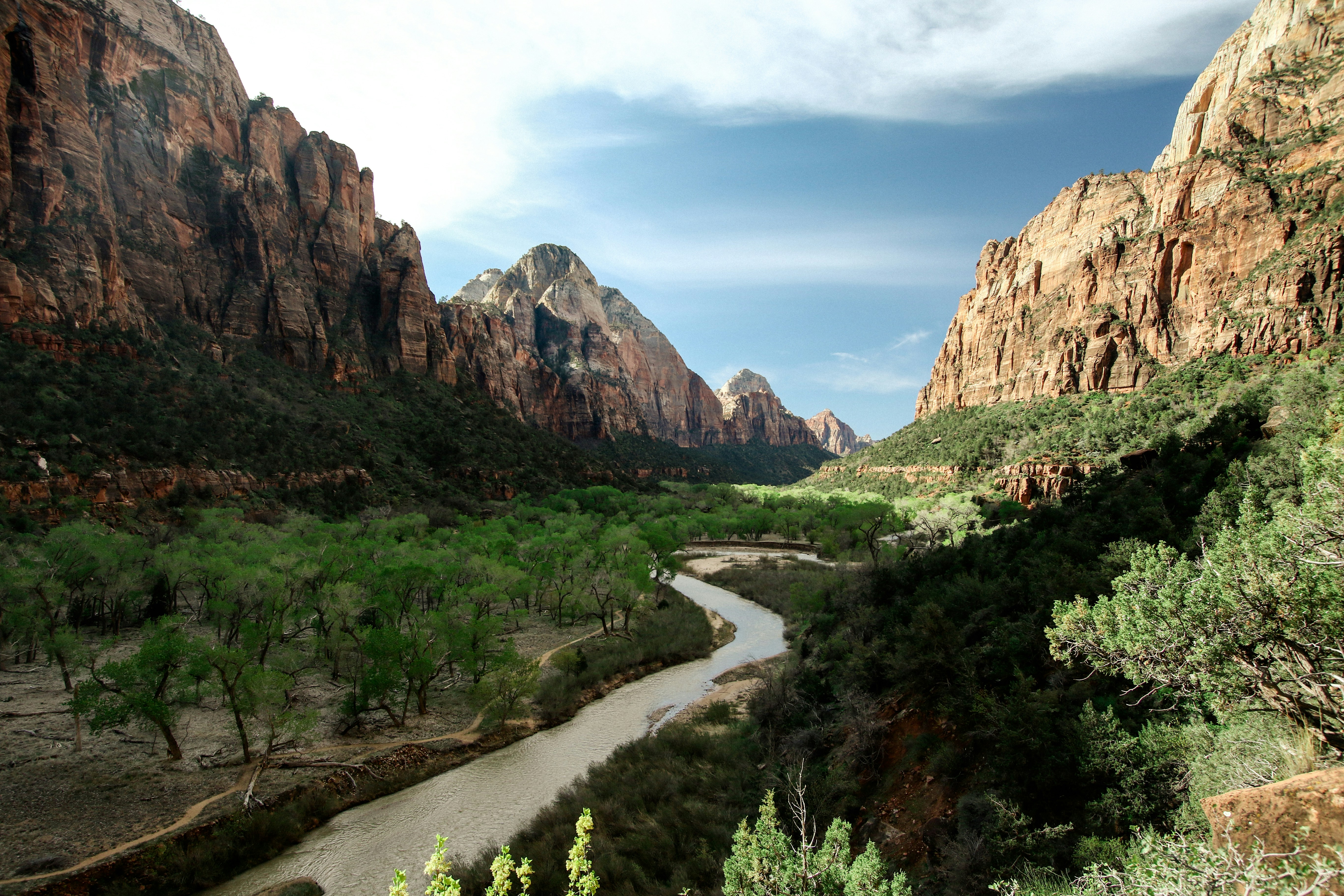
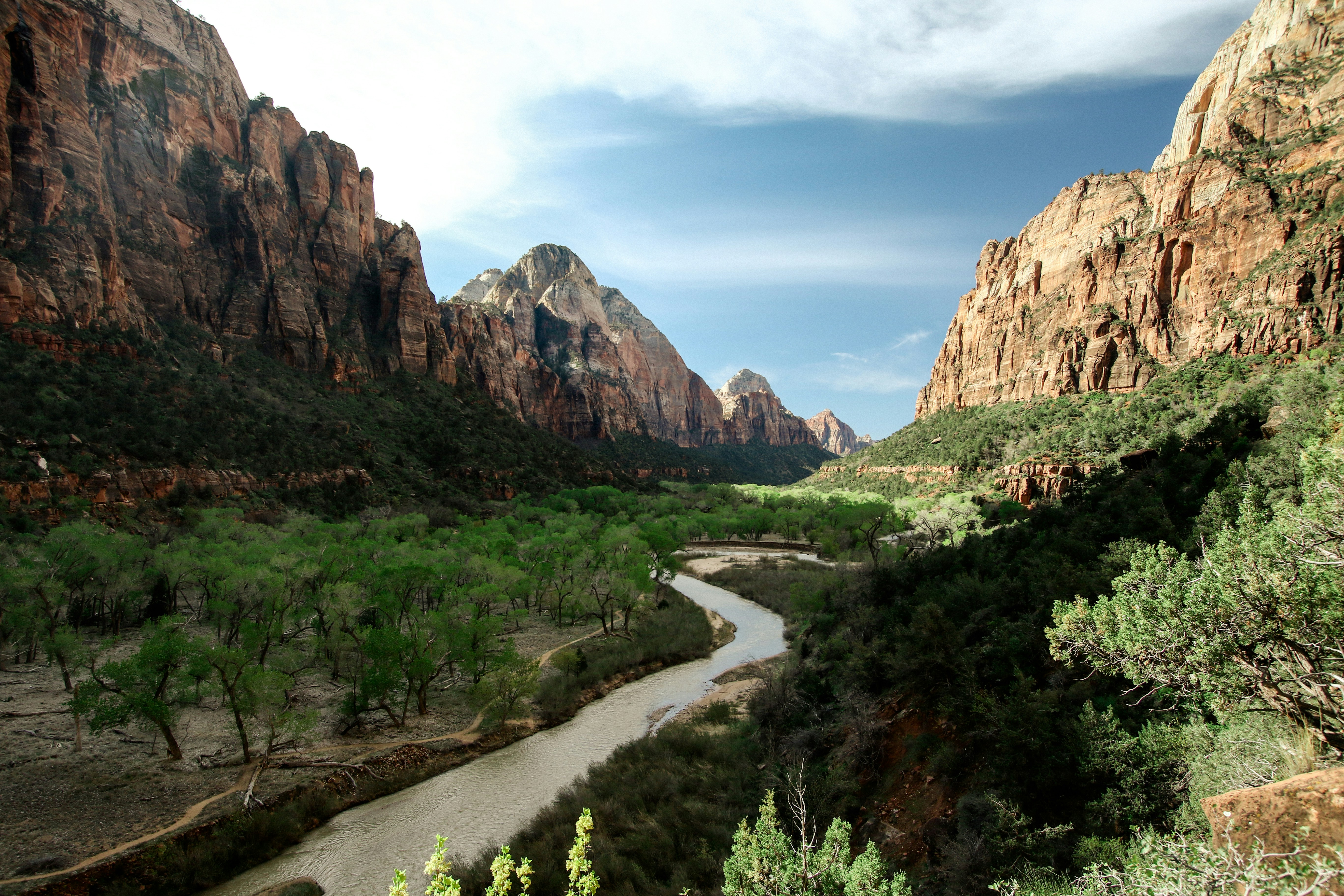
Exploring National Parks in the United States
One of the most iconic destinations for outdoor enthusiasts in the United States is Yellowstone National Park. Spanning across three states – Wyoming, Montana, and Idaho – this vast wilderness is home to an incredible array of wildlife and geological wonders. Visitors can witness the majestic eruptions of the Old Faithful geyser, marvel at the vibrant colors of the Grand Prismatic Spring, and hike through the picturesque Lamar Valley in search of wolves and grizzly bears.
For those who prefer a coastal adventure, the rugged beauty of the Pacific Northwest is not to be missed. The Olympic National Park in Washington state offers a diverse range of ecosystems, from lush rainforests to pristine alpine meadows. Hikers can tackle the challenging trails of the Hoh Rainforest, where towering trees create a magical canopy, or explore the stunning coastline dotted with sea stacks and tide pools.
If you are seeking a truly unique outdoor experience, look no further than the Everglades National Park in Florida. This expansive wetland ecosystem is teeming with life, from alligators and manatees to a variety of bird species. Take a thrilling airboat ride through the mangrove forests, or paddle through the winding waterways in a kayak to get up close and personal with this fascinating habitat.
But it’s not just the national parks that offer outdoor adventure in the United States. The country is also home to countless state parks, wilderness areas, and scenic byways that are waiting to be explored. Whether you are hiking the Appalachian Trail, biking along the Pacific Coast Highway, or camping in the remote wilderness of Alaska, there is no shortage of opportunities to connect with nature and experience the great American outdoors.
Discovering Yellowstone National Park
Another national park that should not be missed is Yellowstone National Park, located primarily in Wyoming but also stretching into Montana and Idaho. Established in 1872, Yellowstone is not only the first national park in the United States but also the first national park in the world. It is widely regarded as one of the most remarkable and geologically active landscapes on Earth.
Yellowstone is home to the famous Old Faithful geyser, which erupts approximately every 90 minutes, shooting boiling water up to 184 feet in the air. Visitors can witness this natural spectacle and explore the park’s vast network of geothermal features, including hot springs, mud pots, and fumaroles. The vibrant colors and otherworldly landscapes of the park make it a photographer’s paradise.
In addition to its geothermal wonders, Yellowstone offers abundant opportunities for wildlife viewing. The park is home to a diverse array of animals, including grizzly bears, wolves, elk, and bison. Wildlife enthusiasts can embark on guided tours or venture out on their own to spot these magnificent creatures in their natural habitat.
For those seeking outdoor adventures, Yellowstone offers numerous hiking trails that cater to all skill levels. From easy strolls along boardwalks to challenging multi-day treks, there is something for everyone. The park also boasts pristine lakes and rivers, perfect for fishing, boating, and kayaking.
As you explore Yellowstone, you will be treated to breathtaking vistas of towering mountains, expansive meadows, and cascading waterfalls. The park’s vast wilderness provides a sense of tranquility and serenity that is hard to find in our modern, fast-paced world.
Visiting national parks is not only a way to connect with nature but also an opportunity to learn about the history and culture of the land. Many national parks have visitor centers and museums that offer educational exhibits and programs. Yellowstone, for example, has the Yellowstone Heritage and Research Center, where visitors can delve into the park’s rich history and learn about its conservation efforts.
Whether you are an avid nature lover, an adventure seeker, or a history enthusiast, national parks have something to offer everyone. They are a testament to the beauty and diversity of the American landscape and serve as a reminder of the importance of preserving our natural heritage for future generations to enjoy.
Exploring America’s Coastlines
But the allure of America’s coastlines extends beyond their natural beauty. These coastal regions are also rich in history and culture, offering visitors a glimpse into the past and a chance to immerse themselves in local traditions.
Take a trip to New England and discover the charm of Cape Cod. This iconic peninsula is not only known for its picturesque beaches and charming seaside towns but also for its rich maritime heritage. Explore the quaint fishing villages, visit historic lighthouses, and indulge in freshly caught seafood.
Further south, the Gulf Coast beckons with its unique blend of Southern hospitality and coastal allure. From the white sandy beaches of Destin, Florida, to the vibrant culture of New Orleans, Louisiana, this region offers a diverse range of experiences. Sample mouthwatering Cajun cuisine, dance to the rhythm of jazz music, or simply relax on the pristine shores.
Heading up the East Coast, the Hamptons in New York are synonymous with luxury and sophistication. This exclusive enclave is a playground for the rich and famous, offering pristine beaches, upscale boutiques, and world-class dining. Indulge in a round of golf at one of the prestigious courses or attend a glamorous social event.
Whether you’re seeking adventure, relaxation, or a glimpse into the past, America’s coastlines have something for everyone. From the rugged cliffs of California to the tropical paradise of the Florida Keys, these coastal destinations are sure to leave a lasting impression.
Thrilling Adventures Around the World
If you’re looking to take your adventurous spirit to new heights, consider exploring the vast wilderness of Alaska. With its untouched landscapes and abundant wildlife, Alaska offers a multitude of thrilling activities for adrenaline junkies. Take a helicopter tour and land on a glacier, where you can strap on crampons and explore ice caves and crevasses. Or, for the ultimate adrenaline rush, try ice climbing on the towering walls of the Matanuska Glacier.
If you’re more of a water enthusiast, head to the crystal-clear waters of Hawaii’s Big Island. Here, you can go on a scuba diving adventure and explore vibrant coral reefs, encounter manta rays, and swim alongside pods of dolphins. For a truly unique experience, you can even try night diving and witness the mesmerizing bioluminescence of the ocean.
If you’re seeking a combination of adventure and cultural immersion, consider a trekking expedition in the remote regions of Nepal. Embark on a multi-day hike through the Annapurna Circuit, where you’ll traverse dramatic landscapes, pass through traditional villages, and witness breathtaking views of snow-capped peaks. Along the way, you can immerse yourself in the local culture, staying in tea houses and interacting with friendly Nepalese villagers.
For those who prefer a more unconventional adventure, consider exploring the depths of the ocean with a deep-sea diving expedition. Head to the Great Barrier Reef in Australia, where you can dive alongside colorful coral formations, encounter majestic sea turtles, and swim with schools of tropical fish. Alternatively, you can explore the mysterious underwater caves of Mexico’s Yucatan Peninsula, where you’ll navigate through intricate passageways and discover hidden chambers filled with stalactites and stalagmites.
No matter where your adventurous spirit takes you, always prioritize safety and ensure you have the necessary skills and equipment for each activity. Remember to respect the environment and local communities, leaving no trace behind. So, unleash your adventurous spirit and embark on a journey of a lifetime, where thrilling experiences and unforgettable memories await.
Preserving the Great Outdoors
Additionally, one of the key ways to preserve the great outdoors is through sustainable practices. This involves making conscious choices that minimize harm to the environment and promote long-term ecological balance.
One aspect of sustainable practices is responsible camping. When setting up camp, it is important to choose designated areas and follow established guidelines. This helps to prevent damage to fragile ecosystems and ensures that future campers can enjoy the same pristine conditions.
Furthermore, using eco-friendly camping gear can significantly reduce our impact on the environment. Opting for biodegradable soaps and detergents, as well as reusable and recyclable camping equipment, helps to minimize waste and pollution. It is also crucial to properly dispose of any waste, including human waste, in designated areas to prevent contamination of water sources and soil.
Another important aspect of preserving the great outdoors is practicing responsible hiking. Sticking to designated trails and avoiding shortcuts helps to protect delicate vegetation and prevents erosion. It is also crucial to avoid disturbing wildlife and their habitats. Observing animals from a distance and refraining from feeding or approaching them helps to maintain their natural behaviors and ensures their well-being.
In addition to individual efforts, government and local authorities play a vital role in preserving the great outdoors. Establishing and enforcing protected areas, such as national parks and wildlife reserves, helps to safeguard vulnerable ecosystems and species. These areas serve as havens for biodiversity and provide opportunities for scientific research and education.
Education and awareness are also key components in preserving the great outdoors. By educating ourselves and others about the importance of conservation, we can inspire a collective effort to protect our natural heritage. This can be done through educational programs, campaigns, and initiatives that promote environmental stewardship and sustainable practices.
In conclusion, preserving the great outdoors requires a multifaceted approach that involves individual actions, government initiatives, and educational efforts. By adopting sustainable practices, supporting conservation organizations, and promoting awareness, we can ensure that future generations will have the privilege of experiencing and enjoying the beauty of nature.
Enter your email to get the Latest Updated Exploring News and Topics
Discover more from atozexplore.com
Subscribe to get the latest posts sent to your email.