


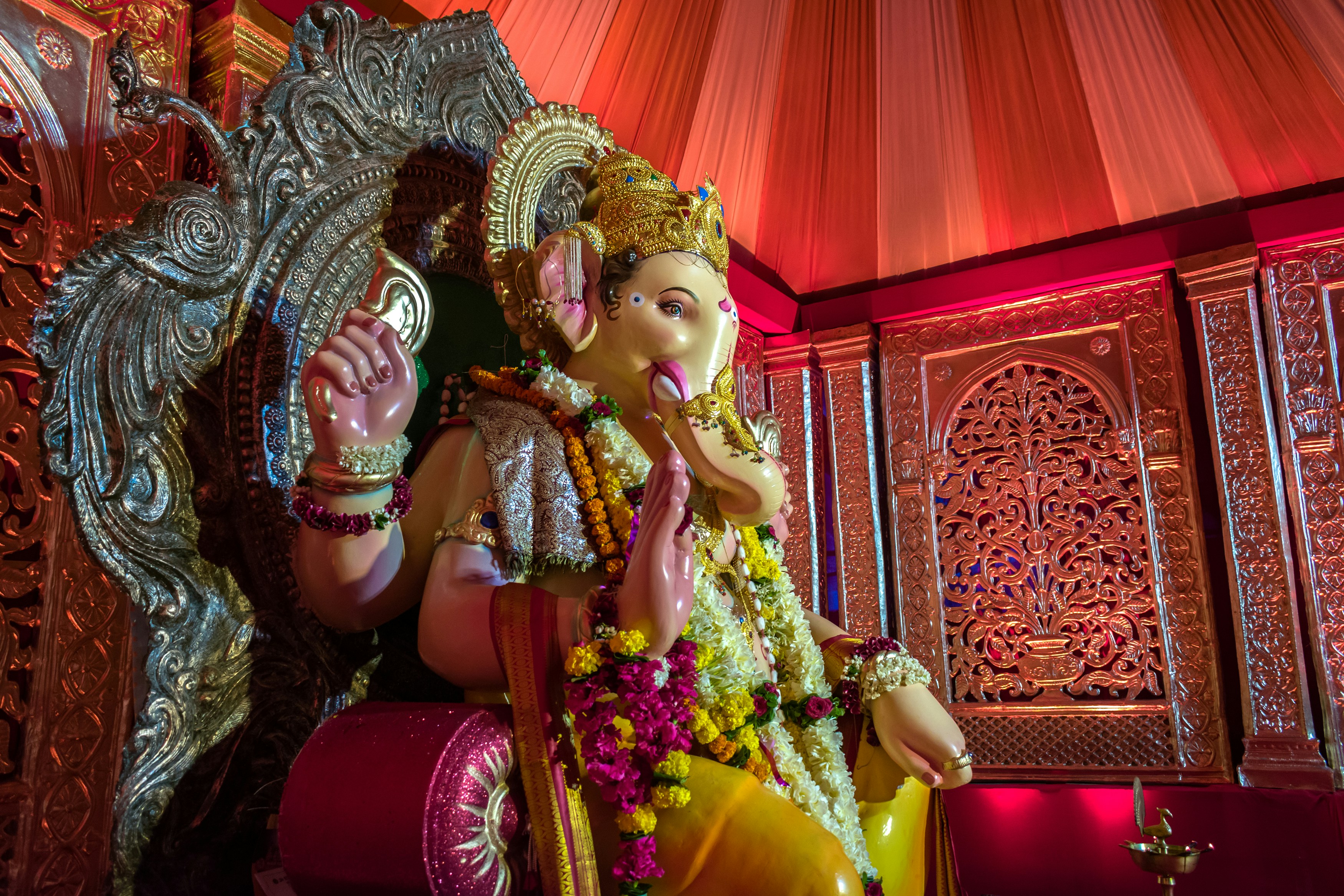
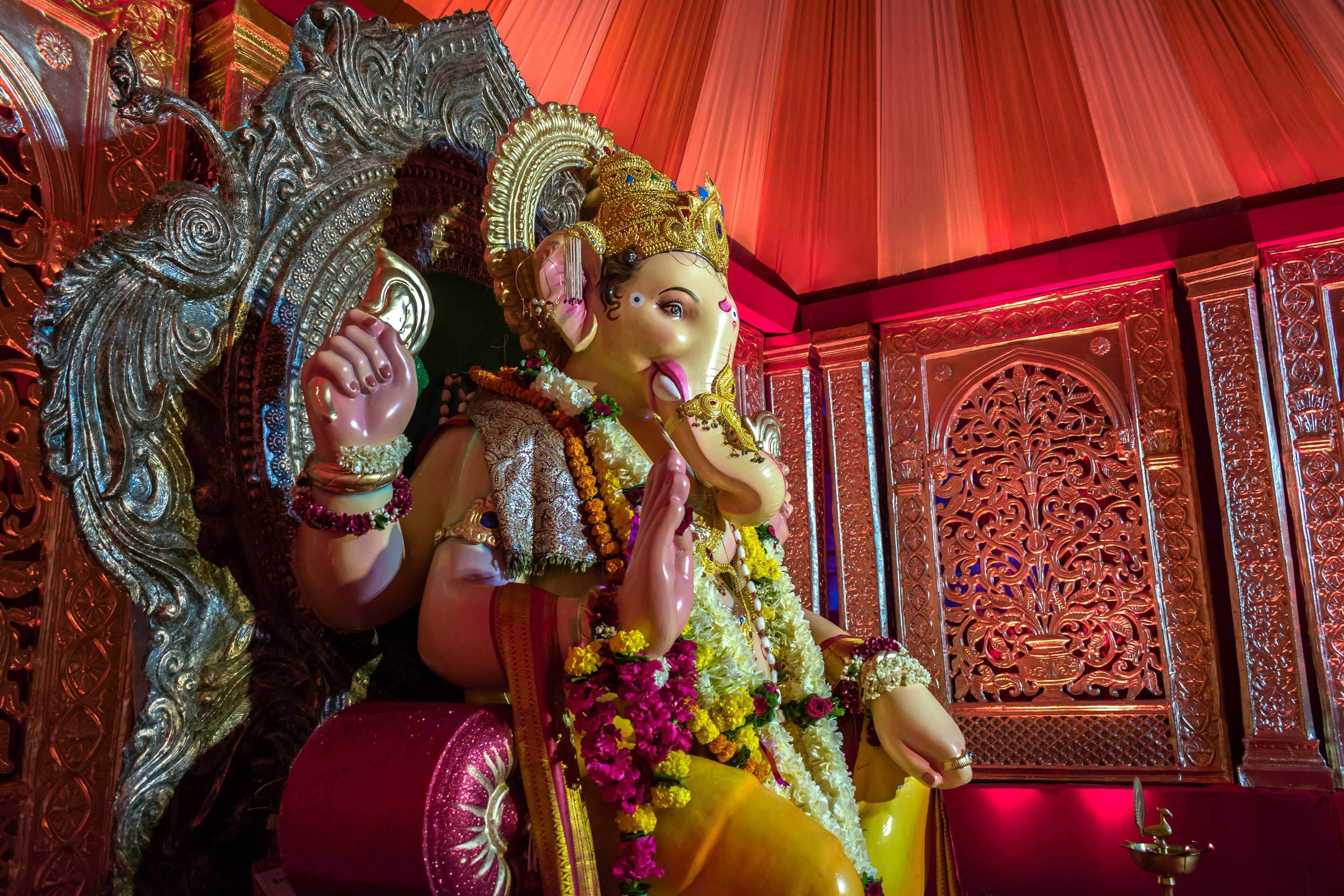
As you enter the premises of Kukke Subramanya Temple, you are immediately transported to a realm of spirituality and mysticism. The temple’s architecture is a testament to the rich cultural heritage of Karnataka, with intricate carvings and vibrant colors adorning its walls. The sanctum sanctorum, dedicated to Lord Subramanya, is a sight to behold, with its ornate decorations and the divine presence that emanates from within.
One of the most fascinating aspects of Kukke Subramanya Temple is its association with serpents. According to Hindu mythology, Lord Subramanya is believed to have defeated the powerful serpent Vasuki and made him his companion. This connection with serpents is evident in the temple’s rituals and traditions. Devotees often come here to seek blessings for protection from snake bites or to fulfill vows made to the serpent god.
The temple is surrounded by the enchanting beauty of the Western Ghats, making it a haven for nature lovers. The lush greenery, towering mountains, and gurgling streams create a serene atmosphere that is perfect for meditation and introspection. Many visitors choose to embark on a trek to the nearby Kumar Parvatha, a challenging yet rewarding experience that allows them to immerse themselves in the natural wonders of the region.
Another highlight of Kukke Subramanya Temple is the Sarpa Samskara ritual, a unique ceremony performed to ward off the ill effects of snake-related afflictions. This ancient ritual involves the appeasement of Nagas (serpent deities) through various offerings and prayers. Devotees who undergo the Sarpa Samskara ritual believe that it brings them relief from physical ailments and spiritual liberation.
Aside from its religious and natural attractions, Kukke Subramanya Temple also offers a glimpse into the rich folklore and traditions of Karnataka. The temple hosts various cultural events and festivals throughout the year, where visitors can witness traditional music, dance performances, and folk art forms. These celebrations not only showcase the vibrant heritage of the region but also provide a platform for local artists to showcase their talent.
Whether you are a devotee seeking spiritual solace or a traveler in search of a unique cultural experience, Kukke Subramanya Temple has something to offer everyone. Its mystical ambiance, coupled with its historical significance and breathtaking surroundings, make it a destination that leaves a lasting impression on all who visit.
As you enter the temple premises, you will be mesmerized by the architectural grandeur of the Kukke Subramanya Temple. The intricate carvings on the walls and pillars depict various mythological stories and leave visitors in awe of the craftsmanship. The temple’s main deity, Lord Subramanya, is adorned with exquisite jewelry and vibrant silk garments, adding to the divine aura of the place.
One of the highlights of the temple is the Sarpa Samskara, a unique ritual performed to ward off the effects of serpent afflictions. Devotees from all over the country come here to seek the blessings of Lord Subramanya and participate in this age-old ritual. The ritual involves a series of ceremonies and offerings, and it is believed to bring relief from various ailments and troubles caused by serpents.
Apart from its religious significance, Kukke Subramanya Temple is also a paradise for nature lovers and adventure enthusiasts. The surrounding forests are home to a diverse range of flora and fauna, making it an ideal spot for birdwatching and wildlife photography. The temple authorities have also set up nature trails and trekking routes, allowing visitors to explore the pristine beauty of the Western Ghats.
For those seeking a spiritual retreat, the temple offers accommodation facilities in the form of guesthouses and cottages. These accommodations provide a comfortable stay amidst the tranquil surroundings, allowing visitors to rejuvenate their mind, body, and soul. The temple also organizes various cultural events and festivals throughout the year, giving visitors a chance to witness the rich traditions and customs of the region.
As you leave the temple premises, you can’t help but feel a sense of peace and tranquility. The divine energy that permeates the air and the natural beauty that surrounds the temple create a harmonious atmosphere that lingers long after you have departed. Whether you are a religious devotee, a nature lover, or simply someone looking for a break from the chaos of everyday life, a visit to Kukke Subramanya Temple is sure to leave you with a sense of fulfillment and inner peace.
The legend of Lord Subramanya is one of the most captivating stories in Hindu mythology. According to ancient texts, Lord Subramanya, also known as Lord Murugan, is the divine offspring of Lord Shiva, the supreme god, and his consort Goddess Parvati. Lord Subramanya is revered as the deity who safeguards devotees from the venomous serpents that inhabit the world. The tale that is intricately linked to the history of the Kukke Subramanya Temple revolves around the heroic deeds of Lord Subramanya. It is said that there was once a powerful demon king named Tarakasura who wreaked havoc in the celestial realms. His tyranny knew no bounds, and the gods were unable to defeat him. In their desperation, they turned to Lord Shiva and Goddess Parvati for help. Upon hearing the pleas of the gods, Lord Shiva and Goddess Parvati decided to bring forth their son, Lord Subramanya, to vanquish the demon king. Endowed with immense power and divine weapons, Lord Subramanya embarked on a fierce battle against Tarakasura. The battle raged on for days, with the heavens trembling under the weight of their clash. Finally, after a grueling fight, Lord Subramanya emerged victorious, slaying the demon king and liberating the celestial realms from his tyranny. However, the battle had taken its toll on Lord Subramanya, and he sought solace in the serene hills of Subramanya. It is said that he took refuge in the very place where the Kukke Subramanya Temple now stands, finding peace amidst the lush greenery and tranquil surroundings. To commemorate this significant event, the temple was built, becoming a sacred abode for devotees seeking the blessings of Lord Subramanya. The idol of Lord Subramanya in the sanctum sanctorum of the temple is a sight to behold. Adorned with multiple serpent hoods, symbolizing his victory over the serpents, Lord Subramanya stands as a symbol of protection and divine grace. The Kukke Subramanya Temple is not only a place of worship but also a testament to the rich mythology and traditions that have been passed down through generations. It serves as a reminder of the eternal battle between good and evil and the triumph of righteousness over darkness. Devotees flock to this sacred site, seeking the blessings of Lord Subramanya and finding solace in his divine presence. As the legend of Lord Subramanya continues to inspire and captivate devotees, the Kukke Subramanya Temple stands as a beacon of faith, offering a sanctuary for those who seek divine intervention and protection. With its serene surroundings and ancient rituals, the temple provides a spiritual haven where devotees can connect with the divine and find solace in the presence of Lord Subramanya.
A Unique Ritual: Sarpa Samskara
One of the most significant rituals performed at Kukke Subramanya Temple is the Sarpa Samskara. This ritual is believed to cure people suffering from the ill effects of snakebites and other serpent-related afflictions. Devotees who wish to undergo this ritual have to stay at the temple premises for a specific period, during which various rituals and prayers are performed.
The Sarpa Samskara ritual involves the worship of Lord Subramanya and the serpent king Vasuki, who is believed to be the ruler of all serpents. The ritual is conducted by highly trained priests who chant sacred mantras and perform intricate rituals to appease the serpents and seek their blessings for the devotees.
During the Sarpa Samskara, devotees offer prayers, perform homas (fire rituals), and take part in various ceremonies to cleanse themselves of any negative energies. It is believed that by undergoing this ritual, one can find relief from physical ailments, mental distress, and other obstacles in life.
The process of Sarpa Samskara begins with a purification ceremony called “Sankalpa,” where the devotees take a solemn vow to complete the ritual with utmost devotion and faith. They then proceed to the “Naga Pratishta,” where an idol of Vasuki, the serpent king, is consecrated and worshipped. The idol is adorned with flowers, sandalwood paste, and other sacred offerings.
After the Naga Pratishta, the main part of the ritual begins. The priests perform a series of homas, where sacred herbs and ghee are offered into the fire while chanting powerful mantras. These homas are believed to invoke the blessings of the serpents and purify the devotees of any negative influences.
Throughout the ritual, the priests recite ancient scriptures and hymns dedicated to Lord Subramanya and the serpent deities. These chants create a sacred and spiritual atmosphere, filling the devotees with a sense of peace and tranquility.
After the homas, the devotees participate in a special ceremony called “Sarpa Bali,” where they make offerings of food, milk, and other items to the serpents. This act of devotion is believed to appease the serpents and seek their protection and blessings.
As the ritual comes to an end, the devotees receive the blessings of the priests, who sprinkle holy water on them and tie protective threads around their wrists. These threads, known as “Raksha,” are believed to ward off any evil influences and bring good fortune to the devotees.
Upon completion of the Sarpa Samskara, the devotees are advised to follow certain guidelines and rituals to maintain the positive energies they have acquired. These include abstaining from alcohol, non-vegetarian food, and negative thoughts. They are also encouraged to visit the temple regularly and continue their prayers and offerings to Lord Subramanya and the serpents.
The Sarpa Samskara ritual at Kukke Subramanya Temple is not only a unique religious practice but also a profound spiritual experience. It offers devotees the opportunity to seek solace, healing, and protection from the serpents, who are revered as divine beings in Hindu mythology. By undergoing this ritual with utmost faith and devotion, devotees believe that they can overcome obstacles and find peace and prosperity in their lives.
As you venture further into the temple’s surroundings, you will come across a serene lake known as Kumaradhara River. This river is believed to have healing properties and taking a dip in its holy waters is considered auspicious. The river is surrounded by lush greenery, creating a picturesque setting that is perfect for a picnic or a moment of quiet contemplation.
Another must-visit attraction near the temple is the Adi Subrahmanya Temple, which is located on the banks of the Kumaradhara River. This temple is believed to be the original abode of Lord Subramanya before he moved to Kukke Subramanya Temple. The Adi Subrahmanya Temple is smaller in size but equally significant in terms of its religious importance.
If you are interested in exploring the local culture and traditions, make sure to visit the nearby village of Subramanya. This quaint village is known for its traditional architecture, handicrafts, and local cuisine. Take a walk through the narrow lanes, interact with the friendly locals, and immerse yourself in the vibrant atmosphere of rural Karnataka.
For those seeking a more adventurous experience, the hills surrounding the temple offer thrilling opportunities for rock climbing and rappelling. Experienced guides are available to assist you in these activities, ensuring your safety while you indulge in some adrenaline-pumping fun.
After a day of exploration and adventure, don’t forget to indulge in the delicious prasadam (holy food) offered at the temple. The prasadam is a simple yet flavorful meal consisting of rice, lentils, and a variety of traditional South Indian dishes. It is believed that consuming this prasadam brings blessings and good fortune.
Overall, a visit to Kukke Subramanya Temple and its surroundings is a truly enriching experience. Whether you are a spiritual seeker, a history enthusiast, a nature lover, or an adventure seeker, this place has something to offer for everyone. So, plan your trip to this sacred destination and get ready to embark on a journey of discovery and enlightenment.
By Bus:
Another convenient way to reach Kukke Subramanya Temple is by bus. The Karnataka State Road Transport Corporation (KSRTC) operates regular bus services from major cities in Karnataka to the temple. These buses are comfortable and provide a cost-effective option for travelers.
By Car:
If you prefer to travel by car, you can drive to Kukke Subramanya Temple from Bangalore, Mangalore, or Mysore. The roads are well-maintained, and the journey offers breathtaking views of the Western Ghats. It is advisable to have a map or GPS navigation system to ensure a smooth and hassle-free drive.
Pilgrimage Routes:
In addition to the above modes of transportation, Kukke Subramanya Temple can also be reached by following the traditional pilgrimage routes. These routes are popular among devotees who undertake the journey on foot as a form of penance and devotion. There are well-marked paths that lead to the temple, and you can find rest houses and facilities along the way for pilgrims.
Accommodation:
For those planning to stay overnight, there are several accommodation options available near Kukke Subramanya Temple. These include guesthouses, lodges, and hotels that cater to the needs of pilgrims and tourists. It is advisable to book your accommodation in advance, especially during peak pilgrimage seasons, to ensure a comfortable stay.
Local Transportation:
Once you reach Kukke Subramanya Temple, there are various options for local transportation to explore the surrounding areas. You can hire an auto-rickshaw or a taxi to visit nearby attractions such as Adi Subrahmanya Temple, Kumaradhara River, and the scenic beauty of the Western Ghats. Additionally, there are also local buses available for commuting within the town.
Conclusion:
Reaching Kukke Subramanya Temple is convenient and accessible, thanks to its well-connected transportation network. Whether you choose to travel by air, train, bus, or car, you can easily reach the temple and immerse yourself in its spiritual aura. The journey itself is an experience, with picturesque landscapes and serene surroundings that add to the charm of visiting this sacred place.
Plan Your Visit to Kukke Subramanya Temple
Before planning your visit to Kukke Subramanya Temple, it is advisable to check the temple’s official website or contact the temple authorities for the latest information on timings, rituals, and accommodation facilities. The temple sees a high influx of devotees during festivals and weekends, so it is recommended to plan your visit accordingly.
When visiting the temple, it is important to remember that it holds significant religious and cultural importance to the local community. As such, it is essential to dress modestly and maintain the sanctity of the temple premises. Wearing clothes that cover your shoulders and knees is highly encouraged as a sign of respect. Additionally, removing your shoes before entering the temple is customary, so be prepared to do so.
While the temple allows photography in certain areas, it is always advisable to seek permission before capturing any images. Some parts of the temple may have restrictions on photography due to their sacred nature, so it is important to be respectful and follow the guidelines provided by the temple authorities.
Respecting the traditions and customs of the temple is crucial during your visit. It is customary to offer prayers and seek blessings from the deity. You may also witness various rituals and ceremonies taking place, and it is important to observe them quietly and without interruption. If you have any questions or are unsure about any aspect of the temple’s customs, feel free to ask the temple staff or volunteers who are there to assist and guide visitors.
Lastly, it is important to be mindful of the environment and keep the temple premises clean. Littering is strictly prohibited, and there are designated areas for disposing of waste. By being responsible and conscious of our actions, we can help preserve the beauty and sanctity of the temple for future generations to experience and enjoy.
Enter your email to get the Latest Updated Exploring News and Topics
Discover more from atozexplore.com
Subscribe to get the latest posts sent to your email.