


The Bhimashankar Temple is not only a place of religious importance but also a site of historical significance. Legend has it that the temple was built during the reign of the Maratha Empire in the 18th century. The temple’s architecture reflects the exquisite craftsmanship of that era, with intricate carvings and sculptures adorning its walls.
As you enter the temple premises, you are greeted by the soothing sound of bells and the fragrance of incense. The main sanctum houses the Jyotirlinga, a representation of Lord Shiva in his most powerful form. Devotees gather here to offer prayers and perform rituals, believing that their wishes will be granted by the divine presence.
Surrounded by lush greenery and breathtaking views of the Sahyadri Mountains, the Bhimashankar Temple offers a tranquil and serene atmosphere for spiritual seekers. The temple complex also includes various smaller shrines dedicated to other deities, such as Lord Vishnu and Goddess Parvati.
One of the highlights of visiting the Bhimashankar Temple is the opportunity to witness the Aarti ceremony, a mesmerizing ritual performed by the temple priests. During this ceremony, the entire temple is filled with the sound of devotional chants, bells, and the fragrance of flowers. It is a truly enchanting experience that leaves a lasting impression on the hearts of the devotees.
Aside from its religious significance, the Bhimashankar Temple is also a popular destination for nature lovers and adventure enthusiasts. The surrounding region is known for its scenic beauty and offers ample opportunities for trekking and wildlife spotting. The Bhimashankar Wildlife Sanctuary, located nearby, is home to a variety of flora and fauna, including the elusive Indian Giant Squirrel.
Whether you are a devout pilgrim seeking spiritual solace or an adventure seeker looking to explore the wonders of nature, a visit to the Bhimashankar Temple is sure to leave you with a sense of awe and reverence. The combination of divine grace and natural beauty makes it a truly unique and unforgettable experience.
The legend of Bhimashankar Temple continues to captivate devotees and visitors alike. It is said that the temple is not only a place of worship but also a site of immense spiritual power. The divine energy that emanates from the temple is believed to have the ability to grant blessings and fulfill the wishes of those who visit.
One of the unique aspects of the Bhimashankar Temple is its architectural grandeur. The temple showcases a blend of traditional and modern styles, with intricate carvings and sculptures adorning its walls. The sanctum sanctorum houses the main deity, Lord Shiva, in the form of a lingam, which is considered to be a representation of his cosmic energy.
Every year, the temple attracts a large number of devotees who come to seek the blessings of Lord Shiva. The festival of Maha Shivaratri holds special significance at Bhimashankar Temple, as it is believed to be the night when Lord Shiva performed his cosmic dance, known as the Tandava. Devotees fast and offer prayers throughout the night, immersing themselves in the divine energy of the temple.
Aside from its religious significance, the Bhimashankar Temple is also a place of natural beauty. It is situated amidst the lush greenery of the Sahyadri mountain range, providing a serene and picturesque backdrop. The temple is surrounded by dense forests that are home to a variety of flora and fauna, making it a popular destination for nature enthusiasts and trekkers.
Visitors to the Bhimashankar Temple can also explore the nearby Bhimashankar Wildlife Sanctuary, which is known for its rich biodiversity. The sanctuary is home to several endangered species, including the Indian Giant Squirrel and the Malabar Grey Hornbill. Trekking trails in the sanctuary offer a chance to experience the beauty of the Western Ghats and encounter the diverse wildlife that inhabits the region.
Overall, the Bhimashankar Temple is not just a place of worship, but a complete spiritual and natural experience. It combines mythology, history, architecture, and nature to create a unique and enchanting atmosphere. Whether one is seeking divine blessings, exploring the beauty of nature, or simply immersing themselves in the rich cultural heritage of India, a visit to the Bhimashankar Temple is sure to leave a lasting impression.
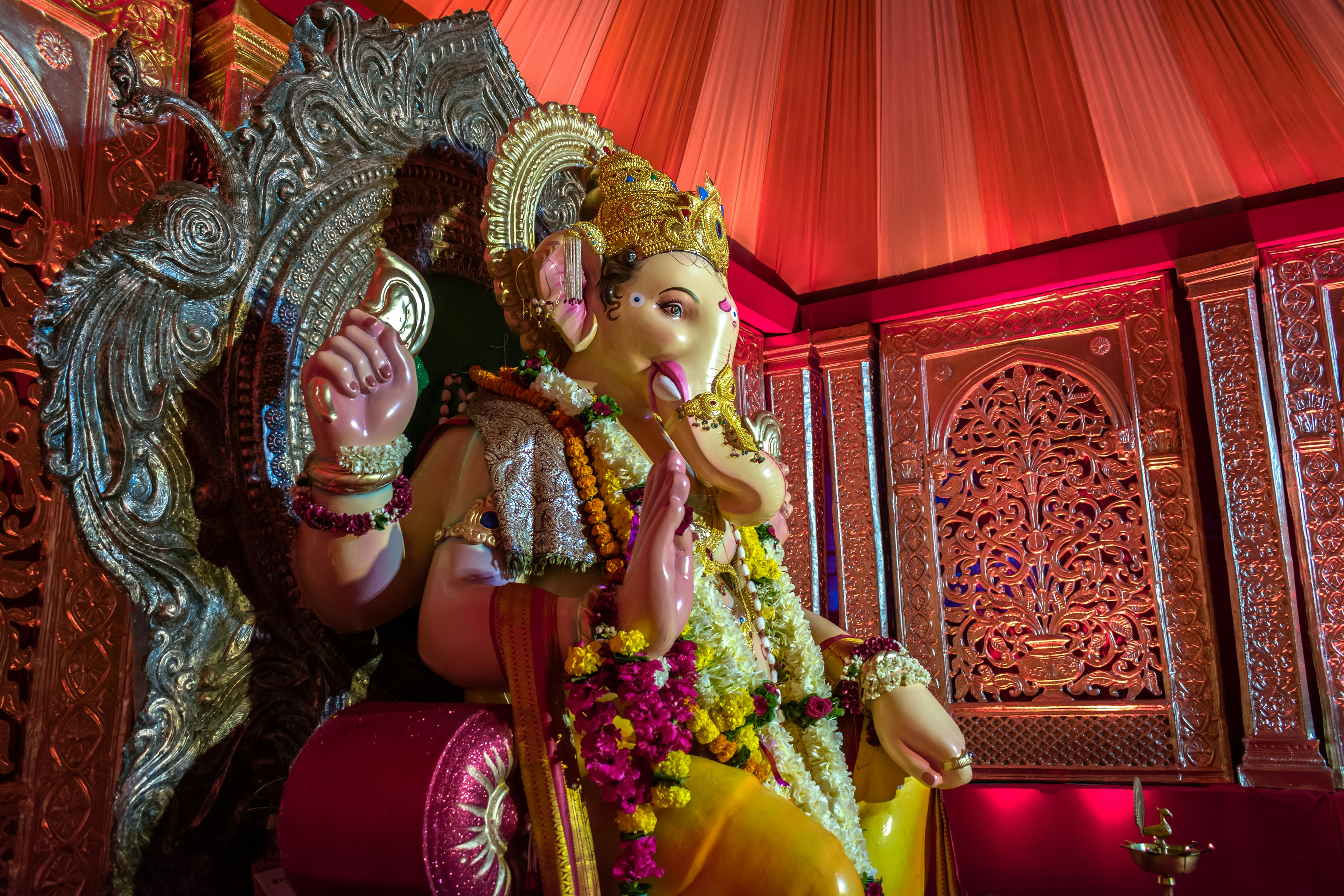
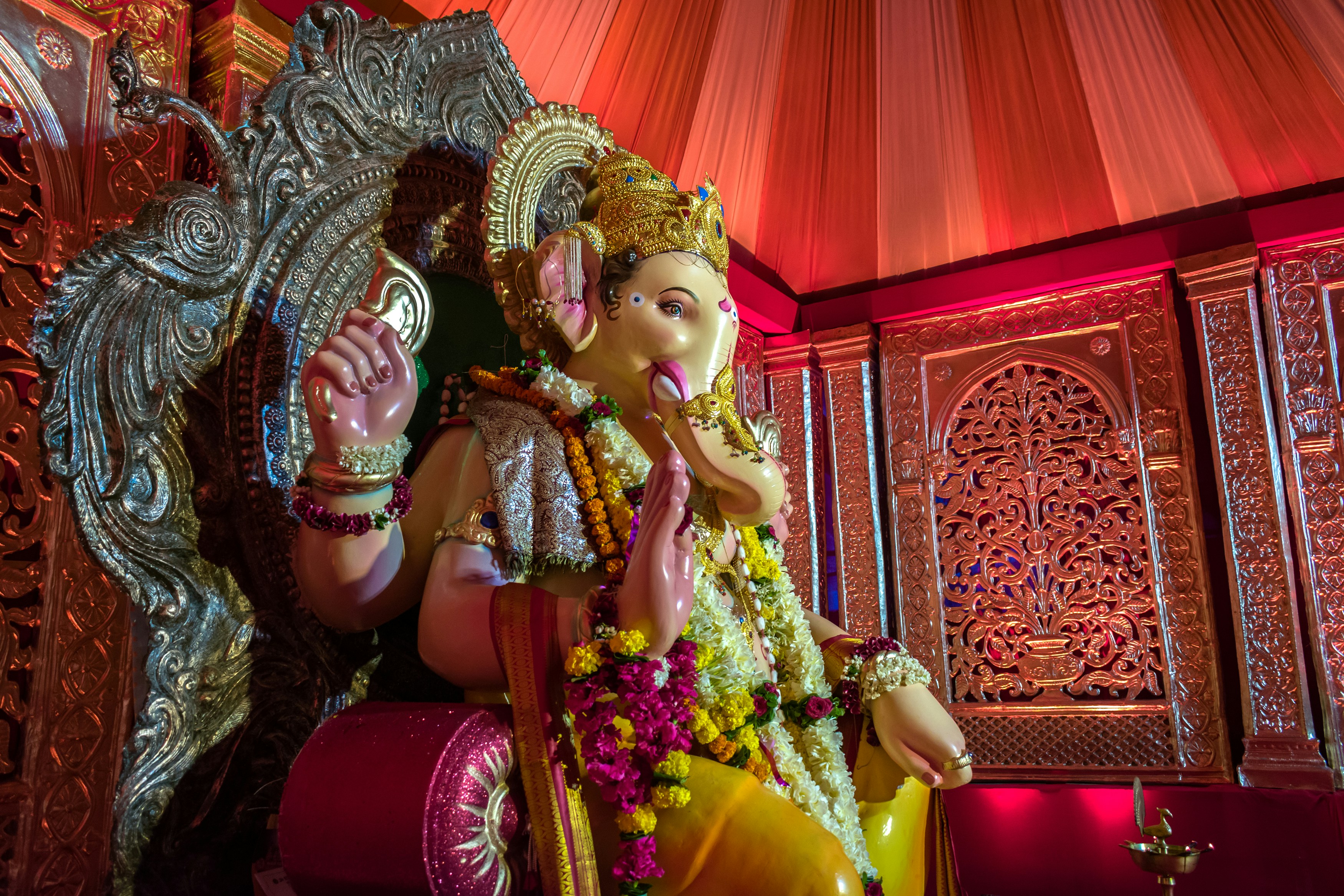
The architecture and design of the Bhimashankar Temple are truly awe-inspiring. The ancient Hemadpanthi style of construction is evident in every aspect of the temple. The black stones used in the construction give the temple a majestic and grand appearance. As one approaches the temple, they are greeted by the intricate carvings and sculptures that adorn the exterior walls. These carvings depict various mythological scenes and stories, showcasing the rich cultural heritage of the region. Stepping inside the temple, one is immediately struck by the serene and peaceful atmosphere. The main sanctum of the temple houses the Jyotirlinga, a representation of Lord Shiva in the form of a lingam. The sanctum is beautifully decorated with flowers and adorned with ornate silver and gold jewelry. Devotees from all over the country come to offer their prayers and seek blessings from the divine. The temple complex is not just limited to the main sanctum. It also houses several smaller shrines dedicated to different deities. These shrines are intricately designed and feature exquisite artwork. One can find a shrine dedicated to Lord Vishnu, where his various incarnations are depicted in intricate sculptures. Another shrine is dedicated to Goddess Parvati, showcasing her grace and beauty. And of course, there is a shrine dedicated to Lord Ganesha, the remover of obstacles. The attention to detail in the architecture and design of these shrines is truly remarkable. Every nook and corner of the temple complex is adorned with beautiful carvings and sculptures, each telling a story of its own. The walls are adorned with intricate motifs and patterns, creating a visual feast for the eyes. Visiting the Bhimashankar Temple is not just a religious experience, but also an architectural and artistic journey. The combination of ancient construction techniques, intricate carvings, and spiritual ambiance make it a must-visit destination for anyone interested in history, culture, and spirituality. Whether you are a devotee seeking blessings or a traveler looking to explore the rich heritage of the region, the Bhimashankar Temple is a place that will leave a lasting impression on your mind and soul.
Religious Significance and Festivals
The Bhimashankar Temple holds immense religious significance for Hindus, especially for devotees of Lord Shiva. It is believed that offering prayers and seeking blessings at this temple can bring good fortune, prosperity, and spiritual enlightenment.
The temple attracts a large number of devotees during the auspicious occasion of Mahashivaratri, which is celebrated with great enthusiasm and fervor. During this festival, devotees offer special prayers, perform rituals, and participate in various cultural activities. The temple premises are beautifully decorated with flowers and lights, creating a vibrant and festive atmosphere.
Apart from Mahashivaratri, other important festivals celebrated at the Bhimashankar Temple include Ganesh Chaturthi, Navratri, and Diwali. These festivals bring together people from different communities and provide an opportunity for spiritual growth and cultural exchange.
Ganesh Chaturthi is a ten-day festival dedicated to Lord Ganesha, the elephant-headed deity who is believed to bring wisdom, prosperity, and good fortune. During this festival, devotees bring home clay idols of Lord Ganesha and worship them with great devotion. The idols are beautifully decorated and placed in homes, and prayers and rituals are performed throughout the duration of the festival. On the final day, the idols are taken in a grand procession and immersed in water, symbolizing the departure of Lord Ganesha.
Navratri, meaning “nine nights,” is a festival dedicated to the worship of the divine feminine energy. It is celebrated with great zeal and enthusiasm across India. During these nine nights, devotees observe fasts, perform traditional dances like Garba and Dandiya, and offer prayers to the goddess Durga and her various forms. The festival culminates with Dussehra, the day when the victory of good over evil is celebrated.
Diwali, also known as the Festival of Lights, is one of the most widely celebrated festivals in India. It marks the victory of light over darkness and good over evil. The festival is associated with various mythological stories and legends, but the most popular one is the return of Lord Rama to Ayodhya after his exile and victory over the demon king Ravana. During Diwali, people decorate their homes with lights, burst firecrackers, exchange gifts, and offer prayers to deities such as Lakshmi, the goddess of wealth and prosperity.
These festivals not only hold religious significance but also play a vital role in bringing communities together and fostering a sense of unity and harmony. They provide an opportunity for people to connect with their spiritual beliefs, celebrate their cultural heritage, and strengthen the bonds of love and friendship.
Exploring the surrounding natural beauty of the Bhimashankar Temple is an experience that is sure to leave visitors in awe. The Sahyadri Mountains, with their lush greenery, provide a picturesque backdrop to the temple, creating a serene and tranquil atmosphere.
For those seeking adventure, there are numerous trekking trails in the vicinity of the temple. These trails take you through dense forests and meandering paths, offering a glimpse of the rich biodiversity that thrives in this region. The trek to the Bhimashankar Wildlife Sanctuary is a popular choice among nature enthusiasts, as it allows them to witness the wonders of the sanctuary up close.
As you make your way through the sanctuary, you will come across a variety of wildlife that calls this place home. The Indian giant squirrel, with its vibrant fur and playful antics, can be spotted leaping from tree to tree. The langur, with its long tail and expressive eyes, swings gracefully through the branches, adding to the charm of the surroundings.
But it is not just the smaller creatures that inhabit this sanctuary. The elusive leopard, known for its stealth and beauty, can occasionally be seen prowling through the dense undergrowth. Its presence serves as a reminder of the untamed wilderness that lies just beyond the temple walls.
For birdwatchers, the Bhimashankar Wildlife Sanctuary is a paradise. The sanctuary is home to a wide variety of bird species, both resident and migratory. Rare and endangered species such as the Malabar grey hornbill and the Indian pitta find refuge here, making it a haven for bird enthusiasts.
As you wander through the sanctuary, the air is filled with the melodious calls of these feathered creatures. Their vibrant plumage and graceful flight patterns create a mesmerizing sight, as they flit from tree to tree, their songs echoing through the forest.
Whether you are a nature lover, an adventure seeker, or simply someone looking for a peaceful retreat, the surrounding natural beauty of the Bhimashankar Temple is sure to captivate your senses. From the breathtaking views of the Sahyadri Mountains to the diverse wildlife that thrives in the sanctuary, this place is a true testament to the wonders of the natural world.
How to Reach Bhimashankar Temple
The Bhimashankar Temple is located in the village of Bhorgiri, in the Pune district of Maharashtra. It is approximately 110 kilometers away from Pune and 210 kilometers away from Mumbai.
By Air: The nearest airport is the Pune International Airport, which is well-connected to major cities in India. From the airport, one can hire a taxi or take a bus to reach the temple. The journey from the airport to Bhimashankar takes around 3-4 hours, depending on the traffic conditions. The road leading to the temple is well-maintained, offering a smooth and comfortable ride for visitors.
By Train: The nearest railway station is the Pune Junction, which is well-connected to major cities across the country. From the railway station, one can hire a taxi or take a bus to reach the temple. The journey by train is a popular choice among devotees, as it offers a scenic route through the lush green landscapes of Maharashtra. The train journey from Pune to Bhimashankar takes approximately 2-3 hours, depending on the train schedule.
By Road: The temple is easily accessible by road, and there are regular bus services from Pune and Mumbai to Bhimashankar. One can also hire a private taxi or drive to the temple. The road journey to Bhimashankar is a delightful experience, as it passes through picturesque villages and offers breathtaking views of the Western Ghats. The route is well-marked and well-maintained, ensuring a smooth and hassle-free journey for visitors.
Once you reach Bhimashankar, you can park your vehicle in the designated parking area and proceed to the temple on foot. The temple is situated amidst the lush greenery of the Bhimashankar Wildlife Sanctuary, offering a serene and tranquil atmosphere for devotees. As you walk towards the temple, you will be greeted by the soothing sounds of chirping birds and the gentle rustling of leaves, creating a sense of calm and spirituality.
Overall, reaching the Bhimashankar Temple is a convenient and enjoyable experience, whether you choose to travel by air, train, or road. The journey itself is a part of the spiritual experience, as it allows you to connect with nature and immerse yourself in the beauty of the surrounding landscapes. So, plan your visit to Bhimashankar and embark on a memorable journey to seek the blessings of Lord Shiva.
Enter your email to get the Latest Updated Exploring News and Topics
Discover more from atozexplore.com
Subscribe to get the latest posts sent to your email.