


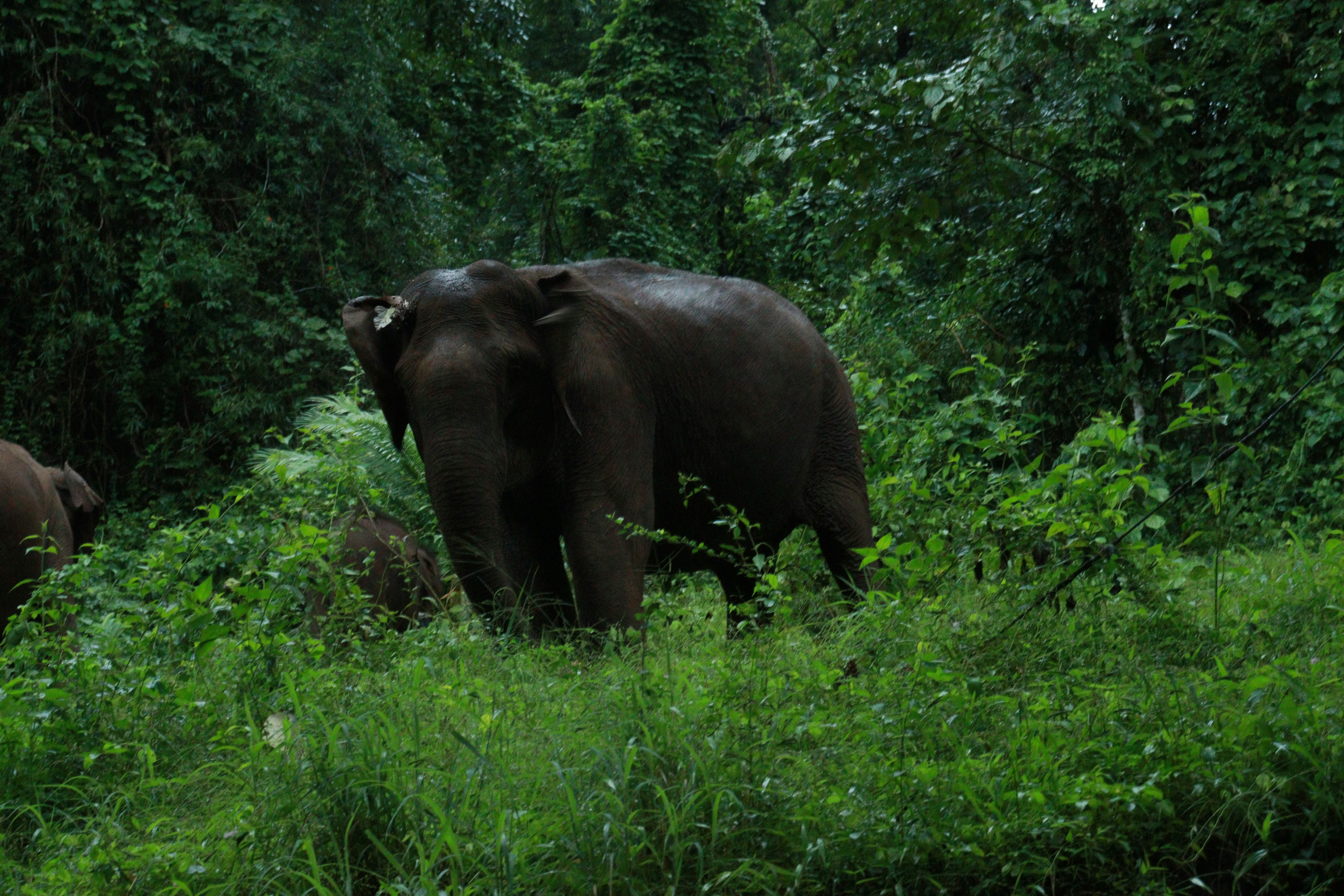
Flora and Fauna
Parambikulam Tiger Reserve boasts a rich and diverse ecosystem, making it a haven for a wide range of flora and fauna. The reserve is home to over 39 species of mammals, including the iconic Bengal tiger, Indian elephant, leopard, spotted deer, and wild boar. It is also a sanctuary for over 268 species of birds, making it a paradise for birdwatchers. From the magnificent Indian peacock to the elusive Malabar grey hornbill, the reserve offers a treat for bird enthusiasts.
The lush green forests of Parambikulam are adorned with a variety of plant species. The reserve is home to over 1400 species of flowering plants, including rare orchids, medicinal plants, and towering trees like teak, rosewood, and sandalwood. The enchanting fragrance of these flowering plants fills the air, creating a captivating ambiance for visitors.
One of the unique features of Parambikulam Tiger Reserve is the presence of four different types of forests within its boundaries. These include the tropical evergreen forests, moist deciduous forests, dry deciduous forests, and shola forests. Each forest type supports a distinct range of plant and animal species, adding to the biodiversity of the reserve.
Not only does Parambikulam Tiger Reserve provide a safe haven for wildlife, but it also plays a crucial role in conserving endangered species. The reserve is actively involved in the conservation of the lion-tailed macaque, a critically endangered primate found only in the Western Ghats. The dedicated efforts of the reserve authorities have helped in increasing the population of this rare species, offering hope for its survival.
Exploring the diverse flora and fauna of Parambikulam Tiger Reserve is a truly immersive experience. Whether you are a wildlife enthusiast, nature lover, or simply seeking solace in the lap of nature, this magnificent reserve has something to offer for everyone.
The history of the Parambikulam Tiger Reserve dates back to ancient times when it was inhabited by indigenous tribes who lived in harmony with nature. These tribes, such as the Kadar, Malasar, and Muthuvan, relied on the forest for their sustenance and had a deep understanding of the ecosystem.
In the 19th century, the British recognized the ecological significance of the region and declared it as a reserved forest. It was later upgraded to a wildlife sanctuary in 1973, with the aim of protecting the rich biodiversity and conserving the endangered species, particularly the majestic tigers that roamed the area.
Spanning over an area of 643 square kilometers, the Parambikulam Tiger Reserve is nestled amidst the Western Ghats, a UNESCO World Heritage Site known for its exceptional natural beauty and biological diversity. The reserve is strategically located on the border of Kerala and Tamil Nadu, making it a vital corridor for wildlife movement between the two states.
The Parambikulam River, after which the reserve is named, meanders through the forest, creating a network of streams, cascading waterfalls, and serene lakes. This river system not only provides a source of water for the flora and fauna but also adds to the scenic charm of the reserve.
The landscape of the Parambikulam Tiger Reserve is characterized by dense forests, rolling hills, and vast grasslands. It is home to a wide range of plant species, including rare and endemic ones. The diverse vegetation supports a thriving animal population, with over 39 species of mammals, 16 species of amphibians, and more than 250 species of birds.
The reserve is renowned for its tiger conservation efforts and is considered one of the best-managed tiger habitats in the country. It has been instrumental in the successful breeding and reintroduction of tigers into the wild, contributing to the overall conservation of this endangered species.
Apart from tigers, the Parambikulam Tiger Reserve is also home to other iconic wildlife species such as elephants, leopards, sambar deer, gaurs, and lion-tailed macaques. The reserve offers numerous opportunities for wildlife enthusiasts and nature lovers to explore its wilderness through activities like jungle safaris, trekking, and birdwatching.
In addition to its ecological importance, the Parambikulam Tiger Reserve also holds cultural significance. The indigenous tribes that inhabit the region have a deep connection with the land and its resources. Their traditional knowledge and sustainable practices have played a crucial role in the conservation efforts of the reserve.
Overall, the Parambikulam Tiger Reserve stands as a testament to the harmonious coexistence of humans and wildlife. Its rich history, breathtaking landscapes, and diverse flora and fauna make it a must-visit destination for anyone seeking an immersive experience in nature.
Flora and Fauna
The diverse ecosystem of the Parambikulam Tiger Reserve supports a rich variety of flora and fauna. The reserve is home to over 39 species of mammals, including the majestic Bengal tiger, Indian elephant, Indian leopard, and Nilgiri langur. It is also a haven for birdwatchers, with more than 268 species of birds, including the Malabar pied hornbill, great Indian hornbill, and the endangered Oriental white-backed vulture.
The lush green forests of Parambikulam are dominated by teak, rosewood, sandalwood, and bamboo trees. The reserve is also known for its unique collection of medicinal plants and orchids. The diverse vegetation provides a perfect habitat for the wildlife and contributes to the overall beauty of the region.
Among the notable mammals found in the reserve is the Indian elephant. These gentle giants roam freely, their presence adding to the allure of the park. The Bengal tiger, with its striking coat and powerful presence, is another iconic species that calls Parambikulam home. Its elusive nature and regal demeanor make it a symbol of strength and beauty.
The Indian leopard, known for its adaptability and stealth, is also a resident of the reserve. With its spotted coat and graceful movements, it blends seamlessly into the dense foliage, making it a challenge to spot. The Nilgiri langur, with its long tail and distinctive black fur, is a common sight in the treetops, swinging effortlessly from branch to branch.
For bird enthusiasts, the Parambikulam Tiger Reserve is a paradise. The Malabar pied hornbill, with its striking black and white plumage and large casque on its bill, is a sight to behold. The great Indian hornbill, with its vibrant colors and impressive size, is another sought-after species for birdwatchers. The Oriental white-backed vulture, although endangered, can still be spotted in the reserve, making it a special sighting for those lucky enough to witness it.
The flora of Parambikulam is equally captivating. The towering teak trees, with their straight trunks and valuable timber, dominate the landscape. The rosewood trees, with their beautiful dark wood and fragrant flowers, add a touch of elegance to the forests. The sandalwood trees, with their aromatic wood and medicinal properties, are highly prized. And the bamboo, with its versatility and fast growth, provides shelter and sustenance to many of the reserve’s inhabitants.
In addition to these well-known species, Parambikulam is also home to a vast array of medicinal plants and orchids. The reserve is a treasure trove of natural remedies, with plants that have been used for centuries in traditional medicine. The colorful orchids, with their intricate blooms and delicate fragrance, add a touch of beauty to the already stunning landscape.
Overall, the flora and fauna of the Parambikulam Tiger Reserve create a harmonious ecosystem that is teeming with life. From the majestic tigers and elephants to the vibrant birds and unique plants, the reserve is a testament to the incredible biodiversity of the region. It is a place where nature thrives and visitors can immerse themselves in the wonders of the natural world.
Activities and Attractions
Parambikulam Tiger Reserve offers a range of activities and attractions for visitors to enjoy. One of the most popular activities is the guided safari, which allows you to explore the reserve and spot the majestic tigers and other wildlife in their natural habitat. The safari is conducted by experienced guides who provide valuable insights into the flora and fauna of the region. As you embark on this thrilling adventure, you will have the opportunity to witness the raw beauty of nature and the incredible biodiversity that exists within the reserve.
The reserve also offers opportunities for trekking and camping. There are several trekking trails of varying difficulty levels, allowing you to explore the beauty of the reserve on foot. Whether you are an experienced hiker or a novice adventurer, there is a trail suited to your abilities. As you traverse these trails, you will be surrounded by lush greenery, towering trees, and the melodious songs of birds. The air is crisp and refreshing, invigorating your senses and making the trek a truly unforgettable experience. Camping is another popular activity, with designated camping sites that provide a unique experience of spending a night in the wilderness. Imagine sitting around a campfire, sharing stories, and gazing at the star-studded sky above.
In addition to wildlife and adventure activities, Parambikulam also has a rich cultural heritage. The indigenous tribal communities, such as the Kadar and Malasar tribes, have been living in harmony with nature in this region for centuries. Visitors can learn about their way of life, traditions, and customs through cultural programs and interactions. These interactions offer a glimpse into a world untouched by modernity, where ancient traditions and beliefs are still cherished and practiced. You can witness traditional dances, listen to folk songs, and even try your hand at traditional crafts. The cultural programs provide a deeper understanding of the local communities and their deep connection with the land.
Parambikulam Tiger Reserve is a treasure trove of natural and cultural wonders. Whether you are seeking adventure, wildlife encounters, or a glimpse into indigenous cultures, this reserve has something to offer everyone. So, pack your bags, embark on a journey to Parambikulam, and immerse yourself in the beauty and serenity of this enchanting destination.
The Parambikulam Tiger Reserve has implemented several anti-poaching measures to protect its wildlife. These measures include the deployment of trained forest guards who patrol the reserve regularly to deter poachers. Additionally, the reserve has established a network of informers who provide valuable information about any suspicious activities in the area. This collaborative effort between the local communities, forest guards, and informers has significantly reduced instances of poaching in the reserve.
Habitat restoration is another important aspect of the conservation efforts in Parambikulam. The reserve has undertaken various initiatives to restore degraded habitats and create suitable conditions for the survival of its diverse wildlife. This includes the planting of native tree species, removal of invasive species, and the creation of water sources for wildlife. By restoring and maintaining healthy habitats, the reserve ensures the long-term survival of its resident species.
Community-based conservation programs have also played a significant role in the conservation efforts of Parambikulam. These programs aim to involve local communities in the management and protection of the reserve. The tribal communities living in and around the reserve are provided with training and support to actively participate in conservation activities. They are also given alternative livelihood options such as eco-tourism and sustainable agriculture, which reduces their dependence on forest resources. This approach not only helps in conserving the wildlife but also improves the socio-economic conditions of the local communities.
To ensure the effectiveness of these conservation efforts, the Parambikulam Tiger Reserve has established strict surveillance and monitoring systems. These systems employ modern technology such as camera traps and satellite imagery to keep a close watch on the reserve’s boundaries and detect any illegal activities. The reserve also conducts regular surveys and research to document its flora and fauna. This information is crucial in understanding the dynamics of the ecosystem and making informed conservation decisions.
In conclusion, the Parambikulam Tiger Reserve has implemented a range of conservation efforts to protect its wildlife and their habitats. Through anti-poaching measures, habitat restoration, and community-based conservation programs, the reserve has been successful in safeguarding its biodiversity. The strict surveillance and monitoring systems, along with research and documentation, further enhance the effectiveness of these conservation initiatives. The Parambikulam Tiger Reserve stands as a shining example of how conservation efforts can be successful when there is a strong commitment to protecting nature.
How to Reach
Parambikulam Tiger Reserve is well-connected by road and can be easily reached from major cities in Kerala and Tamil Nadu. The nearest airport is Coimbatore International Airport, which is approximately 100 kilometers away. From the airport, you can hire a taxi or take a bus to reach the reserve.
If you prefer to travel by train, the nearest railway station is Pollachi Junction, which is approximately 38 kilometers away. From the railway station, you can hire a cab or take a bus to reach Parambikulam.
Once you reach the reserve, there are designated entry points where you need to obtain permits and pay the necessary fees to enter the reserve. It is advisable to plan your visit in advance and check the official website of the Parambikulam Tiger Reserve for the latest information on entry requirements and timings.
When it comes to reaching the Parambikulam Tiger Reserve, the journey itself is part of the adventure. As you make your way to the reserve, you will be greeted by scenic landscapes and lush greenery. The road leading to the reserve is well-maintained, offering a smooth and comfortable ride.
As you approach the reserve, you will notice the change in surroundings – the air becomes fresher, the sounds of nature become more prominent, and the anticipation of what lies ahead starts to build. The drive through the winding roads takes you deeper into the heart of the reserve, offering glimpses of the diverse flora and fauna that call this place home.
If you choose to fly to Coimbatore International Airport, you can enjoy the convenience of a direct flight from major cities in India. Upon landing, you can either hire a taxi or take a bus to Parambikulam. The journey from the airport to the reserve is an opportunity to soak in the beauty of the region, with the road passing through picturesque towns and villages.
For those who prefer to travel by train, the journey to Pollachi Junction is equally enchanting. The train ride takes you through the scenic countryside, offering glimpses of rural life and the natural beauty that surrounds the region. From Pollachi Junction, you can easily find transportation options to reach Parambikulam.
Once you arrive at the reserve, you will be greeted by the friendly staff who will guide you through the entry process. The designated entry points are well-marked, ensuring a hassle-free experience. Before entering the reserve, you will need to obtain the necessary permits and pay the required fees. This is done to ensure the conservation of the reserve and to regulate the number of visitors, allowing for a more sustainable tourism experience.
It is advisable to plan your visit in advance, especially during peak seasons, as the reserve can get crowded. Checking the official website of the Parambikulam Tiger Reserve will provide you with the most up-to-date information on entry requirements, timings, and any special events or activities that may be taking place during your visit.
Enter your email to get the Latest Updated Exploring News and Topics
Discover more from atozexplore.com
Subscribe to get the latest posts sent to your email.