


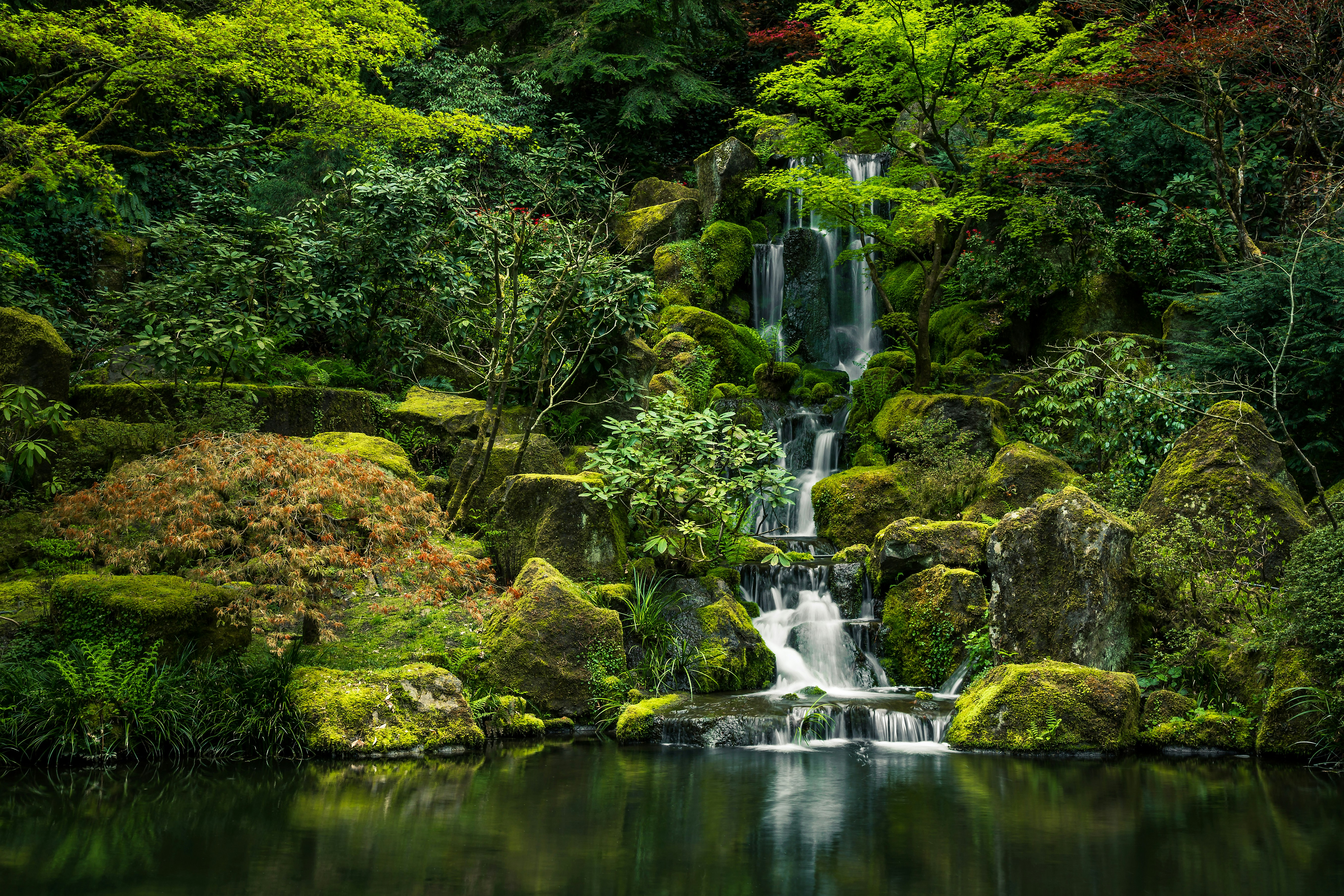
Introduction to Japanese Gardens
Japanese gardens, known for their tranquility and meticulous design, are a profound reflection of Japan’s cultural and philosophical ethos. Rooted deeply in centuries-old traditions, these serene spaces epitomize the ideals of simplicity, natural beauty, and harmony with nature. Unlike Western gardens that often emphasize grandeur and symmetry, Japanese gardens prioritize subtlety and the seamless integration of natural elements.
The historical significance of Japanese gardens can be traced back to the Asuka period (538-710 AD), where they were initially influenced by the gardens of China and Korea. Over time, these early influences evolved, giving rise to a distinct Japanese garden aesthetic during the Heian period (794-1185 AD). This period saw the emergence of the ‘shinden-zukuri’ style, which integrated water features and natural landscapes, laying the groundwork for the unique characteristics seen in Japanese gardens today.
Central to the philosophy behind Japanese gardens is the concept of ‘wabi-sabi,’ an appreciation for the beauty in imperfection and transience. This principle encourages the use of natural, unrefined materials and celebrates the ephemeral nature of life. Elements such as rocks, water, and plants are carefully selected and arranged to create a balanced, harmonious environment that fosters contemplation and inner peace.
Another fundamental aspect of Japanese garden design is the idea of ‘shakkei,’ or borrowed scenery. This technique involves incorporating the surrounding landscape into the garden’s design, creating a sense of continuity and infinite space. By blurring the boundaries between the garden and its environment, shakkei enhances the viewer’s connection to nature and the broader world.
As we delve deeper into some of Japan’s most renowned gardens, such as Kenroku-en and Ritsurin, it becomes evident that these spaces are more than mere ornamental landscapes. They serve as sanctuaries for reflection, meditation, and a deeper appreciation of nature’s fleeting beauty. Through their intricate designs and philosophical underpinnings, Japanese gardens offer a timeless escape from the chaos of everyday life, inviting visitors to pause, breathe, and find tranquility amidst nature’s splendor.
Kenroku-en: The Garden of Six Attributes
Kenroku-en, situated in Kanazawa, is esteemed as one of Japan’s three great gardens, a testament to its historical and aesthetic significance. Its origins trace back to the 17th century during the Edo period, when the Maeda clan began its development. The garden’s name, Kenroku-en, translates to “Garden of the Six Attributes,” a title that reflects its harmonious blend of six essential characteristics: spaciousness, seclusion, artificiality, antiquity, water-courses, and panoramas.
Spaciousness in Kenroku-en is evident through its expansive layout, covering over 25 acres. It offers ample open spaces that invite leisurely strolls and provide a sense of freedom. Seclusion is achieved through the strategic placement of trees, shrubs, and pathways that create intimate, serene areas, allowing visitors to experience a sense of peaceful isolation within the garden’s embrace.
The attribute of artificiality is showcased in the meticulously designed landscapes that appear natural yet are artfully constructed. This is evident in features like the Kasumiga-ike Pond, which is central to the garden. The pond, with its scenic islands and the iconic Kotoji-toro Lantern, epitomizes the garden’s deliberate yet seemingly effortless beauty. Antiquity is represented by the age-old trees and historical structures that dot the landscape, linking the present to the past.
Water-courses are a vital element in Kenroku-en, with streams, ponds, and waterfalls adding to the garden’s tranquility and visual appeal. The flowing water not only enhances the aesthetic experience but also contributes to the soothing ambiance. Panoramas are abundant, offering breathtaking views from various vantage points within the garden. These scenic vistas change with the seasons, providing a dynamic and ever-evolving experience for visitors.
Kenroku-en’s beauty is accentuated by its seasonal transformations. In spring, cherry blossoms add a delicate charm, while summer brings lush greenery. Autumn paints the garden in vibrant hues of red and gold, and winter blankets it in serene whiteness. Each season offers a unique perspective, ensuring that Kenroku-en remains captivating throughout the year.
Kōraku-en: A Landscape of Beauty and Utility
Kōraku-en, located in Okayama, stands as a testament to the harmonious blend of aesthetic beauty and practical utility. Created under the directive of daimyo Ikeda Tsunamasa in the early Edo period, this garden is a prime example of how Japanese landscaping principles can merge functionality with visual splendor. The meticulous design, executed by Tsunamasa’s chief retainer, Tsuda Nagatada, was completed in 1700 and has since been revered as one of Japan’s three great gardens.
A signature feature of Kōraku-en is its vast, expansive lawns, which provide a sense of openness and tranquility. Unlike many traditional Japanese gardens that emphasize densely planted areas, Kōraku-en’s open spaces invite visitors to pause and reflect. The Enyō-tei House, strategically positioned within the garden, offers a panoramic view of the surrounding landscape, allowing guests to appreciate the intricate balance between nature and architectural elegance.
The Sawa-no-ike Pond is another focal point of the garden, designed to evoke a sense of serenity with its clear waters and picturesque islands. The pond, along with its surrounding features, is carefully maintained to mirror the changing seasons, offering a dynamic and ever-evolving experience for visitors. In spring, cherry blossoms reflect off the water’s surface, while autumn brings a fiery display of maple leaves.
One of the unique aspects of Kōraku-en is its integration of agricultural elements, particularly the rice fields. These fields not only add to the garden’s visual diversity but also demonstrate its practical utility, reflecting the dual-purpose design ethos of the Edo period. The seasonal cycle of planting and harvesting rice within the garden grounds symbolizes the connection between human activity and the natural world.
Kōraku-en also plays a vital role in local culture, hosting numerous seasonal events that draw both locals and tourists. From tea ceremonies in the Enyō-tei House to summer firefly viewings by the pond, these events enhance community engagement and celebrate the garden’s historical and cultural significance.
Kairaku-en: A Garden for the People
Kairaku-en, located in Mito, Ibaraki Prefecture, holds the distinction of being one of Japan’s three great gardens, alongside Kenroku-en and Kōraku-en. Established in the 19th century by Tokugawa Nariaki, the garden was conceived with a unique philosophy in mind: to be a public space for all to enjoy. Nariaki’s vision diverged from traditional Japanese gardens, which were primarily the exclusive domains of the elite. Instead, Kairaku-en was designed to be inclusive, reflecting the notion that natural beauty should be accessible to everyone.
The layout of Kairaku-en is meticulously planned to offer a harmonious blend of natural and man-made elements. At the heart of the garden stands the Kobuntei Pavilion, a wooden structure that boasts panoramic views of the surrounding landscape. The pavilion is not merely an architectural feat but also serves as a cultural hub where poetry readings and tea ceremonies are held, enriching the visitors’ experience with a touch of traditional Japanese culture.
One of the garden’s most captivating features is its expansive plum orchard. Planted with over 3,000 plum trees, the orchard becomes a spectacle of color and fragrance each spring, attracting countless visitors who come to marvel at the blossoms. The plum trees, with their early blooming, serve as a harbinger of spring and symbolize resilience and perseverance, echoing the garden’s underlying philosophy of harmony and renewal.
Complementing the plum orchard is a serene bamboo grove, which adds to the tranquil atmosphere of Kairaku-en. The rustling of the bamboo leaves in the wind creates a soothing auditory backdrop, enhancing the sensory experience of the garden’s visitors. The bamboo grove, along with the plum orchard and Kobuntei Pavilion, exemplifies the garden’s careful balance of aesthetic beauty and functional design.
Kairaku-en’s significance extends beyond its visual appeal. It serves as an educational site where visitors can learn about horticulture, traditional Japanese practices, and the historical context of its creation. Tokugawa Nariaki’s inclusive approach to garden design transformed Kairaku-en into a space where enjoyment and education coexist, making it a cherished destination for both locals and tourists.
Ritsurin Garden: A Masterpiece of Edo Period Landscaping
Ritsurin Garden, located in Takamatsu, is a paragon of Edo period landscape design, celebrated for its extensive grounds and meticulously curated aesthetics. The garden’s inception can be traced back to the early 17th century, when it was developed under the meticulous guidance of the Matsudaira family. Spanning over 185 acres, Ritsurin Garden is a testament to the artistry and dedication of its creators, who skillfully harmonized natural and man-made elements to craft a serene retreat.
One of the garden’s most striking features is the South Pond, a central body of water that reflects the surrounding scenery, creating a tranquil and immersive experience. The pond is bordered by meticulously arranged plants and stones, which enhance the natural ambiance and provide a diverse array of visual delights throughout the seasons. The use of Mt. Shiun as a “borrowed landscape” is another hallmark of Ritsurin Garden. This technique, known as “shakkei,” integrates the distant mountain into the garden’s design, effectively extending the viewer’s perspective and creating a sense of infinite space.
The careful arrangement of flora and stones within Ritsurin Garden exemplifies the Edo period’s emphasis on balance and harmony. Each element is purposefully placed to evoke a specific emotional response, whether it’s the calming influence of a shaded grove or the dynamic energy of a cascading waterfall. This attention to detail is further evidenced by the garden’s numerous cultural treasures, including historic teahouses such as the Kikugetsu-tei and the Higurashi-tei, where visitors can partake in traditional tea ceremonies while enjoying panoramic views of the garden.
Ritsurin Garden’s cultural and historical significance has been formally recognized, earning it the designation of a Special Place of Scenic Beauty by the Japanese government. This esteemed status underscores the garden’s importance not only as a site of natural beauty but also as a repository of cultural heritage. Visitors to Ritsurin Garden are invited to step back in time and immerse themselves in the tranquil elegance of Edo period landscaping, where every element is a reflection of centuries-old traditions and artistic mastery.
The Philosophical and Aesthetic Principles of Japanese Gardens
The profound philosophy and aesthetic principles that underpin Japanese garden design are central to their enduring appeal. One of the key concepts is wabi-sabi, which celebrates the beauty found in imperfection and transience. This principle is evident in the careful selection of weathered stones, aged wood, and asymmetrical arrangements. These elements evoke a sense of rustic simplicity and natural beauty, encouraging visitors to find serenity in the imperfect and the ephemeral.
Another significant concept is shakkei, or borrowed scenery. This technique involves incorporating the surrounding landscape into the garden design to create a seamless blend between the garden and its environment. By strategically positioning trees, rocks, and water features, designers can guide the viewer’s eye towards distant mountains, forests, or even buildings, enhancing the garden’s sense of space and connection with nature.
The notion of mono no aware, or the pathos of things, also plays a crucial role in Japanese gardens. This principle is rooted in the appreciation of the transient nature of life and the beauty that comes with it. Seasonal changes are meticulously highlighted within the garden, with cherry blossoms in spring, vibrant maples in autumn, and the muted tones of winter landscapes. These elements serve as gentle reminders of life’s fleeting moments, inspiring a deep emotional response and a sense of mindfulness.
The layout, plant selection, and overall ambiance of Japanese gardens are carefully designed to foster mindfulness and inner peace. Meandering paths encourage slow, contemplative walks, while secluded corners offer spaces for quiet reflection. Water features, such as koi ponds and trickling streams, provide soothing auditory experiences that enhance the tranquil atmosphere. The harmonious balance between natural elements and human artistry creates a timeless space where visitors can retreat from the chaos of modern life and find solace in nature.
In essence, the philosophical and aesthetic principles of Japanese gardens are not merely about creating visually pleasing landscapes. They are about crafting environments that nurture the soul, promote mindfulness, and offer a sanctuary for tranquility and reflection. These timeless spaces continue to resonate with people across cultures and generations, embodying the profound connection between humanity and nature.
Enter your email to get the Latest Updated Exploring News and Topics
Discover more from atozexplore.com
Subscribe to get the latest posts sent to your email.