


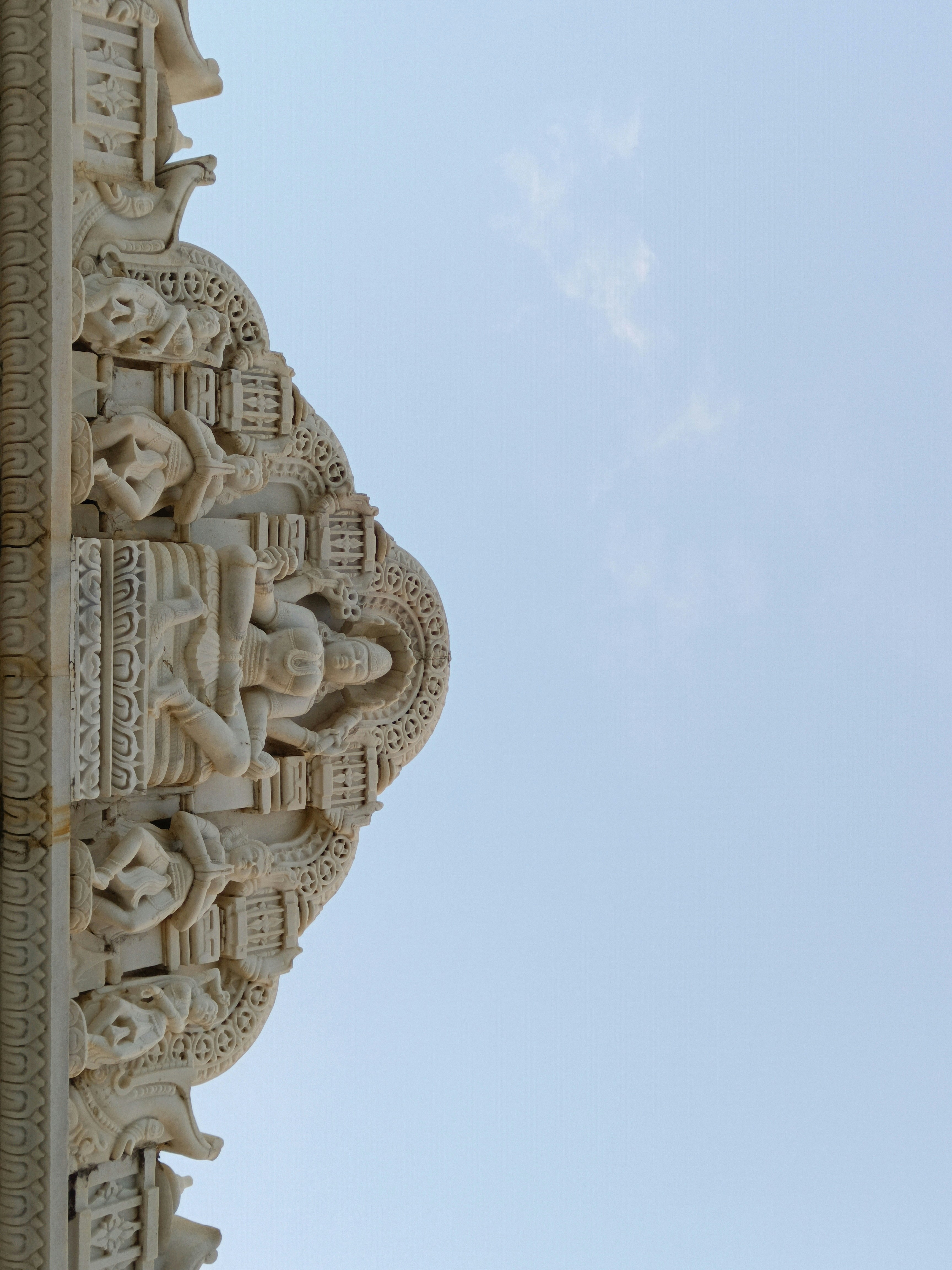
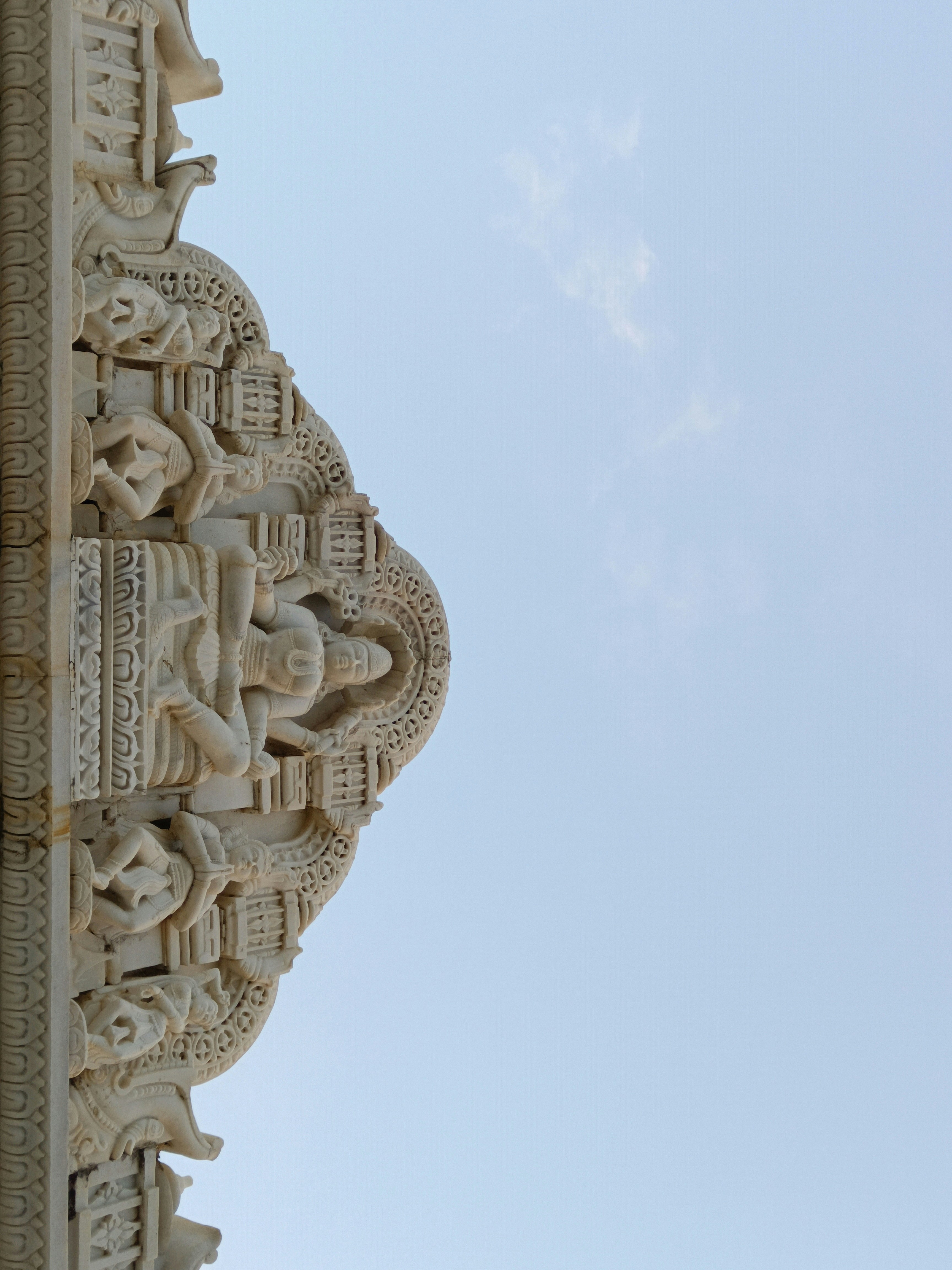
As you start your ascent up the Shatrunjaya hills, you can feel a sense of anticipation building within you. The journey to the Jain temples of Palitana is not just about reaching the top, but about the spiritual transformation that takes place along the way. The climb is not an easy one, with over 3,800 steps leading to the summit, but every step is worth it.
As you make your way up, you pass by numerous smaller temples and shrines, each one more beautiful than the last. The intricate carvings and delicate sculptures that adorn these structures are a testament to the skill and craftsmanship of the artisans who built them. Every detail, from the smallest flower to the grandest deity, is meticulously crafted, creating a sense of awe and wonder.
But it’s not just the architectural beauty that makes the Jain temples of Palitana special. These temples hold immense spiritual significance for the Jain community. The main temple, dedicated to Lord Adinath, the first Jain Tirthankara, is the most revered. It is believed that by climbing the Shatrunjaya hills and visiting these temples, one can attain spiritual enlightenment and liberation from the cycle of birth and death.
As you continue your climb, you can’t help but be struck by the serenity and tranquility that permeates the air. The sounds of the bustling city below fade away, replaced by the gentle rustling of leaves and the soft chants of devotees. The view from the top is breathtaking, with panoramic vistas of the surrounding landscape stretching as far as the eye can see.
Once you reach the summit, you are greeted by the grandeur of the main temple. Its towering spires and ornate domes stand tall against the sky, a testament to the devotion and faith of the Jain community. Inside, the temple is a sanctuary of peace and spirituality. The scent of incense fills the air, and the soft glow of oil lamps illuminates the intricate artwork that adorns the walls.
As you explore the temple complex, you come across smaller shrines dedicated to various Jain deities. Each one has its own unique charm and beauty, and devotees can be seen offering prayers and performing rituals. The atmosphere is one of reverence and devotion, and you can’t help but be moved by the deep faith that permeates every corner of the temple.
Visiting the Jain temples of Palitana is not just a physical journey, but a spiritual one as well. It is a chance to connect with something greater than ourselves, to experience a sense of peace and serenity that is often elusive in our busy lives. Whether you are a believer or not, a visit to these temples is an experience that will stay with you long after you leave.
Jainism, with its roots dating back over 2,500 years, is one of the oldest religions in the world. It was founded by Lord Mahavira, who is considered the last and 24th Tirthankara, or spiritual teacher, of Jainism. The teachings of Lord Mahavira form the basis of Jain philosophy and guide the lives of millions of Jains around the world.
Central to the Jain belief system is the principle of ahimsa, or non-violence. Jains strive to live a life of non-violence in all aspects, not only refraining from physical harm to others but also avoiding harm to any living being, including animals and plants. This principle of non-violence is deeply ingrained in Jain culture and is reflected in their dietary choices, with many Jains following a strict vegetarian or vegan diet.
In addition to ahimsa, Jains also uphold the values of truth and non-attachment. They believe in the importance of speaking the truth at all times and avoiding falsehood. Non-attachment, on the other hand, refers to the idea of detaching oneself from material possessions and desires. Jains believe that attachment to worldly possessions and desires leads to suffering and hinders spiritual progress.
The concept of karma is another fundamental aspect of Jainism. Jains believe that every action, thought, and intention generates karma, which determines the future course of one’s life. They strive to live a life of moral purity and engage in practices such as meditation, fasting, and self-discipline to purify their karma and ultimately attain liberation from the cycle of birth and death.
The Jain temples of Palitana, located in the state of Gujarat in India, are considered to be one of the holiest pilgrimage sites in Jainism. Perched on Shatrunjaya Hill, these temples are a breathtaking sight, with their intricate architecture and stunning views of the surrounding landscape. The climb to the top of the hill, consisting of over 3,800 steps, is considered a spiritual journey for Jains, who believe that it brings them closer to attaining moksha, or liberation.
At the top of Shatrunjaya Hill, visitors are greeted by a vast complex of temples, each dedicated to a different Tirthankara or spiritual teacher. The temples are adorned with intricate carvings and sculptures, depicting scenes from Jain mythology and teachings. Devotees flock to Palitana from all over the world to offer prayers, perform rituals, and seek spiritual solace.
Visiting the Jain temples of Palitana is not only a religious experience but also an opportunity to immerse oneself in the rich cultural heritage of Jainism. The temples serve as a reminder of the enduring legacy of this ancient religion and its teachings of non-violence, truth, and non-attachment. For those seeking a deeper understanding of Jainism and its profound spiritual philosophy, a visit to Palitana is a must.
The magnificence of the architecture is not limited to the exterior of the temples; the interiors are equally awe-inspiring. As you step inside, you are transported to a world of intricate beauty. The walls are adorned with delicate carvings, depicting stories of the Jain Tirthankaras and their teachings. The craftsmanship is so detailed and precise that it is hard to believe that these temples were built centuries ago.
Walking through the temple complex, you will come across different styles of architecture. The temples are a blend of various architectural influences, including Nagara, Dravidian, and Indo-Aryan styles. Each temple has its unique design and layout, showcasing the diversity and richness of Indian architecture.
One of the most remarkable features of these temples is the use of symmetry. The architects have paid meticulous attention to every detail, ensuring that each element is perfectly balanced. From the placement of the pillars to the arrangement of the carvings, everything is harmoniously aligned.
The temples also boast of intricate ceiling designs. As you look up, you will be greeted by a mesmerizing display of geometric patterns and motifs. The ceilings are adorned with exquisite carvings, creating a sense of grandeur and opulence.
Another remarkable aspect of the architecture is the use of natural light. The temples are designed in such a way that sunlight filters through the intricately carved windows, creating a play of light and shadow. This not only adds to the aesthetic appeal but also creates a serene and tranquil atmosphere inside the temples.
Visiting these temples is not just a journey through history; it is also a spiritual experience. The architecture is not just a visual delight; it is a reflection of the devotion and faith of the people who built these temples. The intricate carvings and meticulous craftsmanship are a testament to their unwavering dedication to their religion.
Overall, the architecture of the temples on the Shatrunjaya hills is a true marvel. It is a testament to the rich cultural heritage of India and a reminder of the skill and ingenuity of the artisans of ancient times. Visiting these temples is an experience that will leave you in awe and make you appreciate the beauty and grandeur of Indian architecture.
As you continue your ascent, the air becomes thinner and the surroundings quieter. The bustling sounds of the city below fade away, replaced by the gentle rustling of leaves and the occasional chirping of birds. The climb becomes a meditative experience, with each step bringing you closer to a higher state of consciousness.
The steps themselves are not uniform in size or shape, adding an element of unpredictability to the journey. Some are wide and easy to navigate, while others are narrow and require careful footing. Each step becomes a metaphor for life’s challenges – sometimes smooth and effortless, other times steep and treacherous.
As you reach the halfway point, you may start to feel physical exhaustion setting in. Your legs ache, your breath becomes labored, and beads of sweat form on your forehead. But it is in these moments of discomfort that true growth occurs. It is through pushing past our limits that we discover our inner strength and resilience.
Along the way, you may encounter fellow pilgrims, each on their own spiritual journey. Some walk in silence, lost in their thoughts, while others engage in deep conversations about the nature of existence. These chance encounters serve as reminders that we are all interconnected, all on a quest for meaning and purpose.
Finally, after what feels like an eternity, you reach the summit. The view that awaits you is nothing short of breathtaking. The entire landscape unfolds before your eyes, with the sprawling city below and the vast expanse of the sky above. In that moment, you realize that the physical climb was merely a metaphor for the spiritual journey you have undertaken.
You take a moment to catch your breath and let the magnitude of the experience sink in. The sense of accomplishment and inner peace washes over you, leaving you feeling lighter and more connected to the world around you. You have cleansed your soul, transcended your physical limitations, and attained a glimpse of spiritual enlightenment.
As you make your way back down the steps, you carry with you a newfound sense of purpose and clarity. The journey may have been arduous, but it has transformed you in ways you never thought possible. You now understand that the true path to spiritual enlightenment is not a straight line, but a series of uphill battles and moments of self-discovery.
As you explore the temple complex, you’ll be amazed by the intricate architecture and exquisite craftsmanship of each temple. The temples are adorned with intricate carvings, sculptures, and paintings, showcasing the rich cultural heritage of the region. The attention to detail and the precision with which these temples have been constructed is truly remarkable.
Walking through the complex, you’ll come across different styles of architecture, each reflecting the influence of different dynasties that ruled the region over the centuries. From the ornate pillars of the Chalukya style to the delicate carvings of the Solanki style, every temple tells a story of its own.
One of the most fascinating aspects of the temple complex is the spiritual atmosphere that permeates the air. The sound of bells ringing, the fragrance of incense wafting through the air, and the rhythmic chanting of prayers create a sense of harmony and devotion. It is a place where you can truly connect with your inner self and find solace in the midst of the chaos of everyday life.
For those seeking a deeper spiritual experience, the temple complex offers the opportunity to participate in various religious rituals and ceremonies. From offering prayers at the main sanctum to performing sacred rituals, you can immerse yourself in the rich religious traditions of the region.
Aside from its religious significance, the temple complex also serves as a hub for cultural activities and festivals. Throughout the year, the complex comes alive with vibrant celebrations, where devotees from all over the world gather to pay their respects and seek blessings.
Visiting the temple complex at different times of the day offers a unique experience. At dawn, the first rays of the sun illuminate the temples, casting a golden glow over the entire complex. As the day progresses, the changing play of light and shadow creates a mesmerizing effect, highlighting the intricate details of the architecture.
As you make your way back down from the summit, you’ll carry with you a sense of peace and tranquility that will stay with you long after you’ve left. The temple complex at the top of the hill is not just a collection of temples; it is a sanctuary of peace, a place where you can find solace, and a reminder of the rich cultural and spiritual heritage of the region.
The Jain temples of Palitana hold immense significance in the Jain community, as they are considered to be the holiest pilgrimage site for Jains. The journey to these temples is not just a physical one, but also a spiritual one, as devotees believe that it helps them connect with their inner selves and attain enlightenment.
As visitors approach the temple complex, they are greeted by a breathtaking sight of over 900 temples spread across the Shatrunjaya Hill. Each temple is intricately carved and adorned with exquisite sculptures and artwork, showcasing the rich cultural and architectural heritage of the Jains.
Upon entering the temple complex, devotees are required to remove their shoes as a sign of respect and humility. They then proceed to climb the 3,800 steps that lead to the summit of the hill, where the main temple, known as the Adinath temple, is located. The climb is not only physically demanding, but also symbolizes the journey of the soul towards self-realization.
Once at the top, devotees are greeted by the serene and peaceful ambiance of the temple. The main deity, Lord Adinath, is believed to be the first Jain Tirthankara, and devotees offer their prayers and seek his blessings. The temple is filled with the fragrance of incense and the sound of chants, creating a deeply spiritual atmosphere.
Aside from the main temple, there are several other smaller temples dedicated to different Tirthankaras, each with its own unique significance and story. Devotees visit each of these temples, offering prayers and seeking the blessings of the Tirthankaras.
Visiting the Jain temples of Palitana is not just about the physical act of climbing the hill and offering prayers, but also about immersing oneself in the teachings of Jainism. The temples serve as a reminder of the Jain principles of non-violence, truthfulness, and compassion, and inspire devotees to lead a righteous and virtuous life.
After spending time in prayer and reflection, devotees make their way back down the hill, feeling a sense of peace and tranquility. The journey back is a time for introspection and contemplation, as devotees reflect on the spiritual experience they have just had and the lessons they have learned.
For Jains, visiting the Jain temples of Palitana is not just a one-time event, but a lifelong commitment to spiritual growth and self-discovery. It is a pilgrimage that is undertaken with utmost devotion and reverence, and one that leaves a lasting impact on the hearts and minds of those who embark on it.
Preserving Heritage
The Jain temples of Palitana are not just religious sites, but also a part of India’s rich cultural heritage. Efforts are being made to preserve and protect these temples for future generations. The Archaeological Survey of India has declared the temple complex as a protected monument, ensuring its longevity.
Visitors are encouraged to follow the rules and regulations set by the authorities to maintain the sanctity of the temples. It is important to respect the religious sentiments of the Jains and to treat the temples with the reverence they deserve.
Preserving the heritage of the Jain temples goes beyond just protecting the physical structures. It also involves safeguarding the intangible aspects that make these temples so special. The rituals, traditions, and cultural practices associated with the temples are an integral part of their heritage and must be preserved as well.
One way to ensure the preservation of these intangible elements is through documentation and research. Scholars and experts in Jainism and Indian culture can study and document the rituals and traditions performed at the temples. This knowledge can then be passed on to future generations, ensuring that the rich cultural heritage associated with the temples is not lost.
Another aspect of preserving the heritage of the Jain temples is promoting awareness and education. By educating the public about the significance of these temples and the need to protect them, more people will understand the importance of preserving this cultural heritage. This can be done through educational programs, guided tours, and informative materials that highlight the historical and cultural value of the temples.
In addition to education, community involvement is crucial in preserving the heritage of the Jain temples. Local communities, religious organizations, and government bodies can work together to develop sustainable strategies for the maintenance and conservation of the temples. This can include regular cleaning and restoration efforts, as well as the establishment of funds for ongoing maintenance.
Furthermore, promoting responsible tourism is essential for the long-term preservation of the temples. Visitors should be encouraged to practice sustainable and respectful tourism, minimizing their impact on the environment and the cultural heritage of the temples. This can be achieved through the implementation of visitor guidelines, limiting the number of visitors at a time, and providing proper infrastructure to support tourism without compromising the integrity of the temples.
In conclusion, preserving the heritage of the Jain temples of Palitana requires a multi-faceted approach. It involves not only protecting the physical structures but also safeguarding the intangible aspects such as rituals and traditions. Through documentation, education, community involvement, and responsible tourism, the rich cultural heritage associated with these temples can be preserved for future generations to appreciate and cherish.
Enter your email to get the Latest Updated Exploring News and Topics
Discover more from atozexplore.com
Subscribe to get the latest posts sent to your email.