


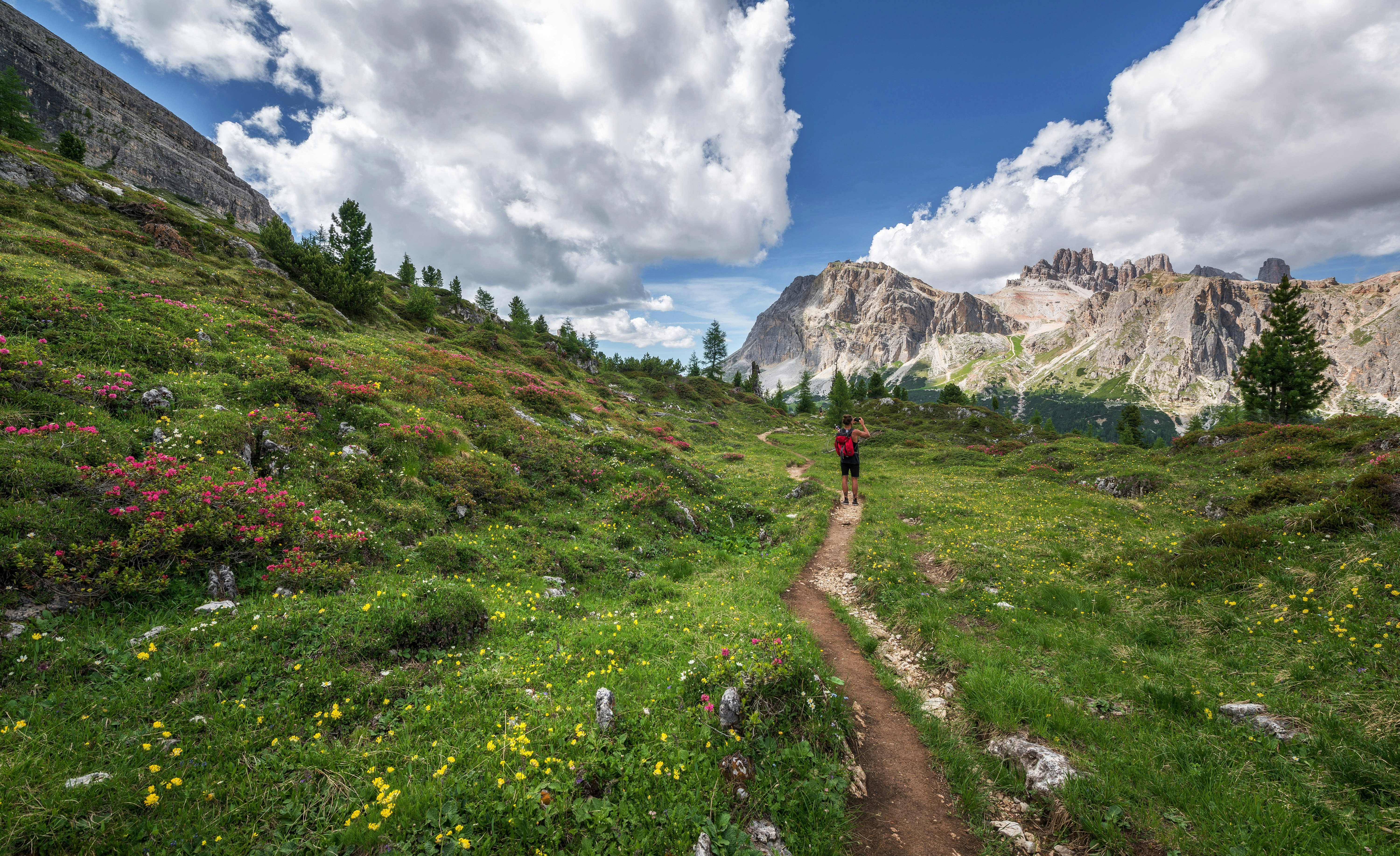
As you step into the Valley of Flowers National Park, you are immediately greeted by a kaleidoscope of colors. The air is filled with the sweet fragrance of blooming flowers, and the gentle breeze carries the melodious songs of birds. The park spans over 87.5 square kilometers and is located in the Western Himalayas, at an elevation of 3,658 meters above sea level.
One of the most captivating features of the Valley of Flowers is its ever-changing floral display. The park is home to over 600 species of wildflowers, including rare and endangered varieties. From the vibrant blue Himalayan poppies to the delicate pink primroses, every step you take reveals a new floral masterpiece. The valley comes alive during the monsoon season, when the rain showers nurture the flowers and create a carpet of colors that stretches as far as the eye can see.
But the beauty of the Valley of Flowers extends beyond its floral extravaganza. The park is also a haven for wildlife enthusiasts and nature lovers. It is home to a diverse range of fauna, including the elusive snow leopard, musk deer, Himalayan black bear, and numerous species of birds. As you explore the park’s meandering trails, you may come across a playful group of langurs swinging from tree to tree or spot a majestic golden eagle soaring high above the valley.
The Valley of Flowers is not just a visual delight; it also holds immense ecological significance. The park was declared a national park in 1982 and later became a UNESCO World Heritage Site in 2005. Its pristine ecosystem supports a delicate balance of flora and fauna, and efforts are being made to preserve and protect this natural treasure. The park also serves as an important water catchment area, with several streams and rivers originating from its glaciers.
For those seeking adventure, the Valley of Flowers offers a plethora of trekking opportunities. The most popular route is a 17-kilometer trek from Govindghat to Ghangaria, followed by a 3-kilometer hike to the valley. The journey takes you through dense forests, gushing waterfalls, and quaint villages, offering a glimpse into the local way of life. The trek is moderate in difficulty, making it accessible to both seasoned trekkers and beginners.
Whether you are a nature enthusiast, a photography enthusiast, or simply seeking solace amidst nature’s bounty, the Valley of Flowers National Park is sure to leave you spellbound. Its ethereal beauty and serene ambiance make it a must-visit destination for anyone looking to connect with nature and experience the magic of Uttarakhand’s floral symphony.
A Natural Marvel
The Valley of Flowers National Park is a UNESCO World Heritage Site and is located in the Western Himalayas. Spread over an area of 87.5 square kilometers, this pristine valley is situated at an altitude of 3,658 meters above sea level. The park is surrounded by majestic snow-capped peaks, including the Nanda Devi and Nanda Devi East mountains.
What makes the Valley of Flowers truly extraordinary is its diverse range of alpine flowers that bloom here during the monsoon season. Over 600 species of flowers, including orchids, poppies, daisies, and primulas, paint the valley in a vibrant palette of colors. The sight of these flowers in full bloom is nothing short of a floral symphony.
As you walk through the valley, you are greeted by a breathtaking display of nature’s beauty. The air is filled with the sweet fragrance of the flowers, creating a sensory experience like no other. Each step you take reveals a new variety of flower, each more stunning than the last. The valley seems like a living canvas, with every inch of land adorned with delicate petals and vibrant hues.
But the Valley of Flowers is not just about the flowers. It is also home to a rich variety of wildlife. The park is a sanctuary for several endangered species, including the Asiatic black bear, snow leopard, and musk deer. Birdwatchers will also be delighted to spot a wide range of avian species, including the colorful Himalayan monal and the elusive western tragopan.
Exploring the Valley of Flowers is like stepping into a fairy tale. The meandering trails take you through lush green meadows, crystal-clear streams, and dense forests. The sound of birds chirping and the gentle rustling of leaves accompany you on your journey, creating a sense of tranquility and harmony with nature.
For those seeking adventure, there are ample opportunities for trekking and camping in the valley. The nearby Hemkund Sahib, a Sikh pilgrimage site, is also a popular destination for spiritual seekers. The pristine beauty of the valley combined with its cultural and natural significance makes it a must-visit for nature enthusiasts and adventure seekers alike.
As you venture further into the Valley of Flowers, you’ll discover that its beauty extends beyond the vibrant display of flora. The valley is nestled in the lap of the majestic Himalayas, surrounded by snow-capped peaks and pristine glaciers. The breathtaking landscape serves as a backdrop to the floral wonders, creating a truly enchanting experience.
One of the most fascinating aspects of the Valley of Flowers is its ecological significance. The valley is a UNESCO World Heritage Site and is part of the Nanda Devi Biosphere Reserve. This designation is a testament to the valley’s rich biodiversity and its importance in preserving endangered species.
As you walk along the well-defined trails, you’ll notice the harmonious coexistence of different plant species. The valley’s unique microclimate, created by the surrounding mountains, provides the perfect conditions for these plants to thrive. This delicate balance is what allows the Valley of Flowers to sustain its remarkable floral diversity.
While the Brahma Kamal and Blue Poppy steal the spotlight with their beauty, there are countless other flowers that contribute to the valley’s charm. The Cobra Lily, with its striking hooded shape and carnivorous nature, adds an element of intrigue to the floral tapestry. The Himalayan Edelweiss, with its velvety white petals and woolly texture, symbolizes purity and resilience.
But the valley’s allure goes beyond its aesthetic appeal. The medicinal plants found here have been used by local communities for generations to treat various ailments. Traditional healers, known as vaidyas, have passed down their knowledge of these plants from one generation to the next. The Valley of Flowers is not just a sight to behold; it is a living testament to the healing power of nature.
As you immerse yourself in the beauty of the valley, you can’t help but feel a sense of awe and wonder. The delicate dance of colors, scents, and textures creates a symphony for the senses. It is a reminder of the intricate interconnectedness of all living things and the importance of preserving our natural heritage.
So, whether you’re a botany enthusiast, a nature lover, or simply someone in search of tranquility, the Valley of Flowers is a destination that will leave an indelible mark on your soul. It is a place where time stands still, and the wonders of the natural world unfold before your eyes.
Along the trek to the Valley of Flowers, you’ll encounter several notable landmarks that add to the allure of the journey. One such landmark is the Hemkund Sahib, a Sikh pilgrimage site situated at an altitude of 4,329 meters. This sacred place is surrounded by snow-capped peaks and a crystal-clear glacial lake, offering a breathtaking sight to behold.
As you continue your trek, you’ll also come across the charming village of Ghangaria, which serves as the base camp for exploring the Valley of Flowers. This quaint village is nestled amidst towering mountains and lush green meadows, providing a picturesque setting for trekkers to rest and replenish their energy.
Throughout the trek, you’ll have the opportunity to witness a diverse range of flora and fauna. The Valley of Flowers is home to over 600 species of flowering plants, including rare and endangered ones like the Brahma Kamal and Blue Poppy. The vibrant colors and fragrant aromas of these flowers create a mesmerizing spectacle that is truly a treat for the senses.
For wildlife enthusiasts, the trek also offers encounters with various animal species. You may spot Himalayan musk deer, snow leopards, and even the elusive red fox as you traverse through the dense forests and alpine meadows.
As you reach the final stretch of the trek, the anticipation builds up, and the sight of the Valley of Flowers itself is nothing short of awe-inspiring. Spread across an area of 87.5 square kilometers, the valley is a carpet of colorful blooms, with hues ranging from vibrant reds and pinks to soothing blues and purples. The sight is so captivating that it feels like stepping into a painting brought to life.
Exploring the Valley of Flowers is a truly immersive experience. You can spend hours wandering through the meandering trails, observing the intricate details of each flower, and listening to the gentle rustling of leaves in the breeze. The valley is a photographer’s paradise, offering endless opportunities to capture the beauty of nature in its purest form.
As you conclude your trek and make your way back to Govindghat, you’ll carry with you memories and experiences that will last a lifetime. The journey to the Valley of Flowers is not just about reaching a destination; it is a transformative experience that connects you with nature and leaves you with a profound sense of awe and appreciation for the wonders of the natural world.
Conservation Efforts
The Valley of Flowers National Park is not only a visual delight but also an important ecosystem that needs to be preserved. The park is home to several endangered species, including the Asiatic black bear, snow leopard, and musk deer. Efforts are being made by the government and various organizations to protect and conserve the biodiversity of the park.
Visitors to the park are required to follow certain guidelines to minimize their impact on the environment. It is important to avoid plucking flowers or damaging the vegetation. Littering is strictly prohibited, and visitors are encouraged to carry back their waste and dispose of it responsibly.
Additionally, the park authorities have implemented measures to control the number of visitors entering the park each day. This helps in reducing the overall human footprint and ensures that the delicate ecosystem of the Valley of Flowers remains undisturbed. Moreover, regular monitoring and research activities are conducted to assess the health of the flora and fauna in the park.
Furthermore, local communities play a crucial role in the conservation efforts of the Valley of Flowers National Park. They are involved in various initiatives such as awareness campaigns, tree plantation drives, and sustainable livelihood programs. By engaging with the local communities, the park management aims to create a sense of ownership and responsibility towards the preservation of this natural treasure.
Conservation efforts also extend beyond the boundaries of the park. The surrounding areas are being protected through the establishment of buffer zones and the implementation of sustainable land-use practices. This ensures that the ecological balance is maintained and that the park’s biodiversity is not threatened by human activities outside its borders.
By practicing responsible tourism, we can ensure that future generations can continue to experience the beauty and splendor of the Valley of Flowers. Together, we can protect this unique ecosystem and contribute to the conservation of our planet’s natural heritage.
Enter your email to get the Latest Updated Exploring News and Topics
Discover more from atozexplore.com
Subscribe to get the latest posts sent to your email.